
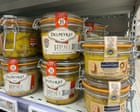
Labour to back down on foie gras and fur bans to ease EU trade deal
📖 Full Retelling
📚 Related People & Topics

United Kingdom
Country in northwestern Europe
The United Kingdom of Great Britain and Northern Ireland, commonly known as the United Kingdom (UK) or Britain, is a country in northwestern Europe, off the coast of the continental mainland. It comprises England, Scotland, Wales and Northern Ireland, with a population of over 69 million in 2024. Th...
Entity Intersection Graph
No entity connections available yet for this article.
Mentioned Entities
Deep Analysis
Why It Matters
This news matters because it reveals how post-Brexit trade negotiations continue to shape UK domestic policy, potentially overriding ethical consumer protections for economic priorities. It affects animal welfare advocates, luxury goods producers, and consumers who care about ethical sourcing, while highlighting the ongoing balancing act between sovereignty and market access. The decision signals that even with a new government, practical trade realities may take precedence over manifesto commitments on animal welfare.
Context & Background
- The UK banned fur farming in 2000 and has maintained restrictions on foie gras production due to animal welfare concerns, though imports have remained legal.
- Post-Brexit trade negotiations with the EU have been ongoing since 2020, with various sticking points including regulatory alignment and market access.
- Labour's 2024 manifesto included commitments to ban imports of foie gras and fur, aligning with growing public concern about animal welfare standards.
- The EU remains the UK's largest trading partner, making trade agreement concessions politically and economically significant for both sides.
What Happens Next
Expect formal announcement of the policy reversal within weeks, followed by renewed EU trade negotiations focusing on other regulatory barriers. Animal welfare groups will likely organize protests and campaigns, while luxury retailers will adjust their supply chain planning. Parliamentary debates may occur if backbench Labour MPs attempt to challenge the leadership's position through amendments or internal party mechanisms.
Frequently Asked Questions
Labour appears to be prioritizing securing a smoother trade deal with the EU, which requires minimizing regulatory barriers that could be seen as protectionist. The economic benefits of improved EU market access are being weighed against domestic ethical policy goals.
This concession could help accelerate trade negotiations by removing a potential sticking point, but may create new tensions with EU producers who export these products. It demonstrates the UK's willingness to align with EU market standards in certain areas.
It represents a setback for campaigners seeking comprehensive bans on products associated with animal cruelty. However, domestic production restrictions remain in place, and future governments could revisit import bans if trade conditions change.
Yes, imports will continue legally as before. The main change is that a planned ban on these imports has been shelved, maintaining the status quo rather than creating new restrictions.
This represents a significant policy reversal from their manifesto commitments, highlighting how governing realities often differ from opposition promises. It shows trade priorities can override domestic policy agendas.