
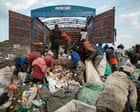
Life on Kenya’s largest dump: the invisible workers sorting the world’s rubbish
#Kenya #Dandora dump #waste pickers #recycling #global waste #informal workers #health risks
📌 Key Takeaways
- Thousands of informal waste pickers work at Kenya's Dandora dump, sorting global waste for recycling.
- Workers face severe health risks from toxic materials and unsafe conditions without protective gear.
- The dump highlights global waste export issues and local economic reliance on informal recycling.
- Despite their crucial role in waste management, these workers remain largely unrecognized and unsupported.
📖 Full Retelling
🏷️ Themes
Environmental Justice, Informal Economy
📚 Related People & Topics

Kenya
Country in East Africa
Kenya, officially the Republic of Kenya, is a country located in East Africa. With an estimated population of more than 53.3 million as of mid-2025, Kenya is the 27th-most populous country in the world and the seventh-most populous in Africa. Kenya's capital and largest city is Nairobi.
Entity Intersection Graph
Connections for Kenya:
View full profileMentioned Entities
Deep Analysis
Why It Matters
This news highlights the global waste crisis and its human toll, affecting vulnerable workers in developing countries who handle imported waste from wealthier nations. It matters because it exposes environmental injustice, where communities bear health risks from pollution while supporting recycling economies. The story impacts policymakers, environmental advocates, and consumers worldwide, urging scrutiny of waste trade practices and labor rights.
Context & Background
- Kenya has been a destination for plastic and electronic waste imports, often from Europe and North America, under global waste trade agreements.
- Dandora dump in Nairobi, opened in 1975, is one of Africa's largest landfills, receiving over 2,000 tons of waste daily and causing severe pollution and health issues.
- Informal waste pickers, often marginalized and lacking legal protections, form a critical part of the recycling chain in many developing countries, recovering materials for resale.
What Happens Next
Increased advocacy may pressure governments to enforce stricter waste import regulations and improve labor conditions for pickers. Upcoming events could include policy reviews in Kenya or international waste trade negotiations, with potential for grassroots movements to demand cleaner alternatives and support for waste workers.
Frequently Asked Questions
Kenya and other developing nations often import waste due to lower disposal costs and demand for recyclable materials, but this can lead to environmental and health hazards from inadequate processing.
Workers face exposure to toxic substances, injuries, respiratory illnesses, and social stigma, often without access to healthcare or stable incomes, perpetuating cycles of poverty.
It reveals a broken system where wealthy countries export waste rather than managing it sustainably, undermining true recycling goals and shifting burdens to vulnerable populations.
Solutions include banning harmful waste exports, investing in local waste management, formalizing picker cooperatives with fair wages, and promoting circular economies to reduce waste generation.