

London has England’s highest levels of child poverty, data shows
📖 Full Retelling
📚 Related People & Topics

England
Country within the United Kingdom
England is a country that is part of the United Kingdom. It is located on the island of Great Britain, of which it covers about 62%, and more than 100 smaller adjacent islands. England shares a land border with Scotland to the north and another land border with Wales to the west, and is otherwise su...
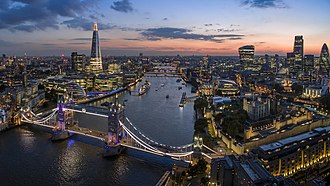
London
Capital of England and the United Kingdom
London is the capital and largest city of both England and the United Kingdom, with a population of 9.1 million people in 2024. Its wider metropolitan area is the largest in Western Europe, with a population of 15.1 million. London stands on the River Thames in southeast England, at the head of a 50...
Entity Intersection Graph
Connections for England:
View full profileMentioned Entities
Deep Analysis
Why It Matters
This data reveals a critical social crisis affecting London's most vulnerable population, with child poverty having profound long-term consequences for health, education, and future economic prospects. The findings highlight systemic failures in housing, social services, and economic policies that disproportionately impact children in the capital. This matters to policymakers, educators, healthcare providers, and community organizations who must address the immediate needs of affected families while working on structural solutions.
Context & Background
- Child poverty in the UK is typically measured as children living in households with income below 60% of the median after housing costs
- London has consistently had higher living costs than other UK regions, particularly for housing and transportation
- Previous government reports have shown regional disparities in poverty rates across England, with urban areas often experiencing higher concentrations
- The Child Poverty Act 2010 established legal duties to reduce child poverty, though targets were later removed in 2016
- London's population includes higher proportions of ethnic minority groups and migrant families who often face additional barriers to economic stability
What Happens Next
Local authorities and charities will likely intensify calls for targeted interventions and increased funding for London boroughs. The data may influence upcoming local elections and policy debates about social support systems. Expect increased scrutiny of the Mayor of London's poverty reduction strategies and potential parliamentary inquiries into regional inequality.
Frequently Asked Questions
Child poverty is typically measured by household income relative to the national median after accounting for housing costs. Children are considered to be in poverty if their household income falls below 60% of the median income, which accounts for variations in family size and composition.
While the article doesn't specify borough-level data, previous reports have shown Tower Hamlets, Newham, and Hackney typically have among the highest child poverty rates in London. Inner London boroughs generally show higher rates than outer London areas.
High housing costs represent the primary driver, consuming disproportionate shares of household income. Other factors include low wages relative to living costs, insecure employment, inadequate social benefits, and barriers facing migrant families and single-parent households.
London consistently shows higher child poverty rates than other English regions, though some northern industrial cities also experience severe deprivation. The capital's combination of extreme wealth inequality and exceptionally high living costs creates unique poverty challenges.
Children in poverty experience higher risks of poor nutrition, developmental delays, educational disadvantages, and mental health issues. They're more likely to live in overcrowded housing and have limited access to extracurricular activities and learning resources.