
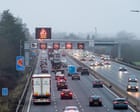
Lowering speed limits among contingency plans to curb UK oil demand
#UK oil demand #Speed limits #Contingency plans #Energy policy #Government measures #Fuel consumption #Motorways
📌 Key Takeaways
- Lowering speed limits is being considered as a contingency plan to reduce UK oil demand.
- The government is exploring various measures to cut energy consumption.
- Speed limits are a specific target within these broader efficiency strategies.
- The initiative aims to lower overall fuel usage across the nation.
- These plans are part of a wider effort to manage energy resources.
📖 Full Retelling
🏷️ Themes
Energy policy, Speed limits, Oil demand
📚 Related People & Topics

Energy policy
How a government or business deals with energy
Energy policies are the government's strategies and decisions regarding the production, distribution, and consumption of energy within a specific jurisdiction. Energy is essential for the functioning of modern economies because they require energy for many sectors, such as industry, transport, agric...

Speed limit
Maximum legal speed of vehicles
Speed limits on road traffic, as used in most countries, set the legal maximum speed at which vehicles may travel on a given stretch of road. Speed limits are generally indicated on a traffic sign reflecting the maximum permitted speed, expressed as kilometres per hour (km/h) or miles per hour (mph)...
Entity Intersection Graph
Connections for Energy policy:
Mentioned Entities
Deep Analysis
Why It Matters
This news matters because it reveals the UK government is preparing emergency measures to address potential oil supply disruptions, which could affect energy security and economic stability. It directly impacts millions of drivers through potential speed limit reductions, while also signaling broader concerns about energy dependence and climate goals. Businesses reliant on transportation could face operational challenges, and these contingency plans highlight vulnerabilities in the UK's energy infrastructure that require proactive management.
Context & Background
- The UK imports approximately 40% of its oil needs, making it vulnerable to global supply chain disruptions and geopolitical tensions.
- Previous oil crises in 1973 and 1979 led to similar emergency measures including speed limits and rationing in multiple countries.
- The UK has committed to net-zero emissions by 2050, creating tension between immediate fossil fuel needs and long-term climate goals.
- Recent global events including conflicts in oil-producing regions and OPEC+ production decisions have increased volatility in oil markets.
- The UK previously implemented temporary speed limit reductions during the 1973 oil crisis to conserve fuel.
What Happens Next
The government will likely finalize contingency plans within the next 3-6 months, with potential implementation triggered by specific oil price thresholds or supply disruption indicators. Parliamentary committees may hold hearings to examine the economic impacts of such measures. If implemented, speed limit reductions would likely begin on motorways first, potentially lowering limits from 70mph to 60mph, with public awareness campaigns preceding any changes.
Frequently Asked Questions
Lower speed limits improve fuel efficiency significantly—vehicles typically consume 15-25% less fuel at 60mph compared to 70mph. This reduction in fuel consumption directly decreases national oil demand, helping to stabilize supplies during shortages. The effect is multiplied across millions of vehicles on UK roads daily.
These are contingency plans, meaning they would only be activated during significant oil supply disruptions or price spikes. Implementation probability depends on global oil market stability—currently estimated at moderate likelihood within the next 12-24 months. The government would weigh economic impacts against energy security needs before activating any measures.
Additional measures could include public transportation subsidies, telecommuting incentives for businesses, and fuel rationing systems. The government might also accelerate electric vehicle adoption programs and increase strategic petroleum reserve releases. Industrial energy conservation measures for large oil consumers would likely be part of a comprehensive approach.
Drivers would face longer travel times and potential fuel savings, while transportation businesses would experience increased operational costs and scheduling challenges. Delivery services, logistics companies, and commuting workers would be most affected. The economic impact would vary by sector, with transportation-intensive industries facing the greatest disruption.
Yes—reduced speeds would lower carbon emissions and air pollution alongside oil consumption. This aligns with climate goals but represents an emergency measure rather than long-term policy. The temporary nature means environmental benefits would be limited unless combined with permanent behavioral or infrastructure changes.