
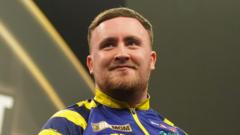
Luke Littler applies to trademark his face to combat AI fakes
#Luke Littler #trademark #face #AI fakes #deepfakes #image rights #legal protection
📌 Key Takeaways
- Luke Littler has filed to trademark his own face to protect his image rights.
- The move aims to combat unauthorized AI-generated fake content using his likeness.
- This legal step highlights growing concerns over AI misuse in creating deepfakes.
- It sets a precedent for public figures seeking to control their digital personas.
🏷️ Themes
AI Regulation, Image Rights
📚 Related People & Topics

Luke Littler
English darts player (born 2007)
Luke Littler (born 21 January 2007) is an English professional darts player who competes in Professional Darts Corporation (PDC) events, where he is ranked world No. 1. Nicknamed "the Nuke", Littler has won two PDC World Championships, in 2025 and 2026, and remains the youngest world champion in dar...
Entity Intersection Graph
Connections for Luke Littler:
Mentioned Entities
Deep Analysis
Why It Matters
This news matters because it represents a proactive legal strategy by a public figure to protect their identity in the age of AI-generated content. It affects Littler directly by safeguarding his likeness from unauthorized commercial use, while also setting a precedent for other celebrities and athletes facing similar threats. The broader implications touch on intellectual property law, digital identity protection, and the evolving challenges of deepfake technology in sports and entertainment industries.
Context & Background
- Luke Littler is a 17-year-old English professional darts player who gained fame after reaching the 2024 PDC World Darts Championship final.
- AI-generated deepfakes have become increasingly sophisticated and accessible, raising concerns about identity misuse, fraud, and reputational damage.
- Trademarking facial features is an emerging legal strategy, with other celebrities like DJ Deadmau5 and model Cara Delevingne previously trademarking distinctive elements of their appearance.
- The UK Intellectual Property Office allows registration of non-traditional trademarks including colors, sounds, and potentially distinctive facial features when they function as brand identifiers.
- Sports personalities increasingly monetize their image rights through endorsements, making protection from AI impersonation commercially crucial.
What Happens Next
The UK Intellectual Property Office will examine Littler's application over the coming months, determining if his facial features qualify as a distinctive trademark. If successful, this could lead to similar applications from other athletes and celebrities in 2024-2025. Legal experts will likely debate the broader applicability of facial trademarks versus existing personality rights protections. Sports governing bodies may develop new guidelines for AI-generated content featuring athletes' likenesses.
Frequently Asked Questions
Trademarks provide proactive, registered protection that's easier to enforce across jurisdictions compared to personality rights or copyright laws, which vary by country. They specifically prevent unauthorized commercial use of the registered features, creating clearer legal standing against AI-generated content.
No, trademark offices typically require the facial features to be distinctive and associated with specific goods/services in commerce. Ordinary faces without established recognition or commercial use likely wouldn't qualify, making this strategy primarily available to celebrities and public figures.
A registered trademark allows legal action against anyone using the protected likeness for commercial purposes without permission, including AI-generated content. This creates stronger grounds for takedown requests and lawsuits compared to relying solely on defamation or privacy laws.
Trademarks only protect against commercial use, not parody, news reporting, or artistic expression protected by free speech. Enforcement can be challenging across international borders, and the trademark must be actively defended against infringement to remain valid.
Non-commercial fan art and tribute content would generally not violate trademark rights, but any monetized content using the protected likeness could face legal challenges. The distinction between commercial and non-commercial use will become increasingly important in enforcement.