
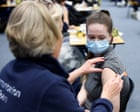
Meningitis B vaccine scheme widened to include some year 11 pupils in Kent
📖 Full Retelling
📚 Related People & Topics
Meningitis B
Bacterial diseases
Meningococcal Group B diseases or B-MD are meningococcal diseases caused by serotype B of the Neisseria meningitidis bacteria. It is commonly called meningitis B; however not all cases of infection with serotype B cause meningitis. It can also cause septicaemia and sepsis.

Kent
County of England
Kent is a ceremonial county in South East England. It is bordered by Essex across the Thames Estuary to the north, the Strait of Dover to the south-east, East Sussex to the south-west, Surrey to the west, and Greater London to the north-west. The county has an area of 3,544 square kilometres (1,368...
Entity Intersection Graph
No entity connections available yet for this article.
Mentioned Entities
Deep Analysis
Why It Matters
This news is important because it expands protection against Meningitis B, a serious and potentially fatal bacterial infection that can cause meningitis and sepsis, particularly affecting adolescents and young adults. It directly benefits Year 11 pupils in Kent by reducing their risk of infection during a high-risk age group, while also contributing to herd immunity in the community. The decision reflects ongoing public health efforts to address gaps in vaccine coverage and prevent outbreaks, potentially influencing future national vaccination policies.
Context & Background
- Meningitis B is caused by the bacterium Neisseria meningitidis group B and can lead to severe complications like brain damage, hearing loss, or death within hours if untreated.
- The UK introduced a national MenB vaccination program in 2015 for infants, but older children and teenagers were not routinely covered, leaving a gap in protection.
- Previous localized outbreaks, such as at universities, have prompted targeted vaccination campaigns, highlighting the need for broader coverage in high-risk groups.
- Kent has experienced meningitis cases in the past, making this expansion a proactive measure to address regional health concerns.
What Happens Next
The vaccination scheme will likely roll out in schools or healthcare settings for eligible Year 11 pupils in Kent, with follow-up monitoring for uptake and effectiveness. If successful, it may prompt similar expansions in other regions or age groups across the UK. Health authorities will assess outcomes to inform potential updates to the national vaccination schedule in the coming years.
Frequently Asked Questions
Year 11 pupils are typically around 15-16 years old, an age group with higher rates of Meningitis B infection due to social behaviors like close contact in schools. Vaccinating them helps protect during a peak risk period and as they transition to further education or work.
Yes, the MenB vaccine has been used safely in the UK since 2015, with studies showing it reduces the risk of infection significantly. Common side effects are mild, such as fever or soreness, and serious reactions are rare.
This is a localized scheme in Kent, not a national change, but it may serve as a pilot to evaluate broader rollout. Success could lead to recommendations for including older children in the routine NHS vaccination schedule.
Parents should look for information from schools or local health services about consent forms and vaccination dates. They are encouraged to ensure their child receives the vaccine to maximize protection against Meningitis B.
Yes, infants, young adults in crowded settings like universities, and individuals with certain medical conditions are also at higher risk. Current programs focus on infants, with catch-up campaigns for older groups as needed.