
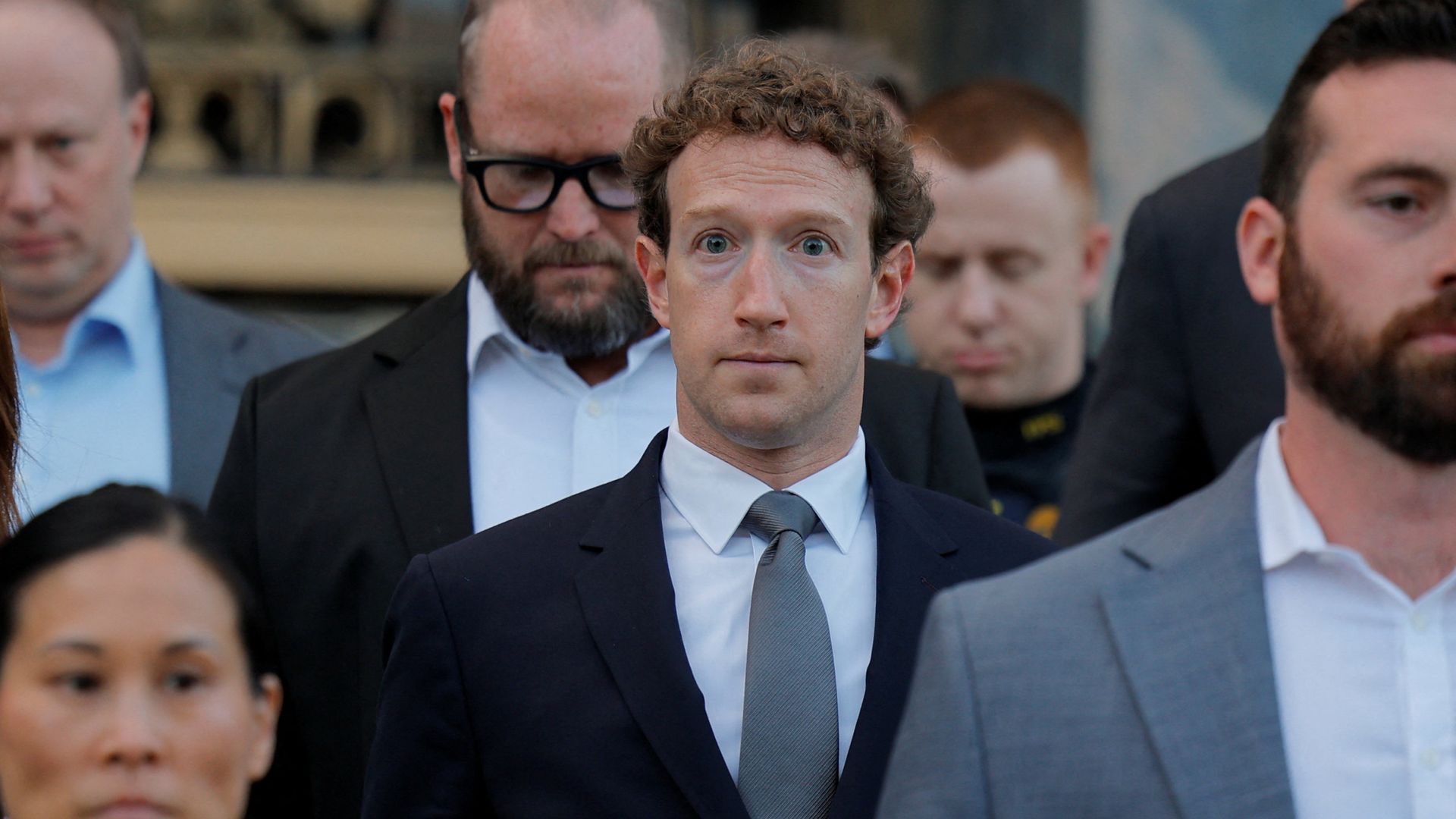
Meta and YouTube found liable in landmark social media trial
📖 Full Retelling
📚 Related People & Topics

YouTube
Video-sharing platform
YouTube is an American online video sharing platform owned by Google. YouTube was founded on February 14, 2005, by Chad Hurley, Jawed Karim, and Steve Chen, who were former employees of PayPal. Headquartered in San Bruno, California, it is the second-most-visited website in the world, after Google ...
Entity Intersection Graph
Connections for Meta:
View full profileMentioned Entities
Deep Analysis
Why It Matters
This landmark ruling establishes significant legal liability for social media platforms regarding user-generated content, potentially reshaping how these companies moderate content and handle harmful material. The decision affects billions of users worldwide who rely on these platforms for communication and information. It also creates substantial financial exposure for tech giants and could lead to increased regulatory scrutiny across the industry. The ruling may force platforms to implement more aggressive content moderation systems, balancing free expression with harm prevention.
Context & Background
- Section 230 of the Communications Decency Act has historically protected online platforms from liability for user-generated content since 1996
- Multiple previous lawsuits against social media companies have failed due to these legal protections
- Growing public and political pressure has mounted against social media platforms regarding misinformation, hate speech, and harmful content
- The European Union's Digital Services Act recently established new content moderation requirements for large platforms
- Previous attempts to hold platforms liable have focused on specific content rather than systemic platform design
What Happens Next
Both companies are expected to appeal the decision to higher courts, potentially reaching the Supreme Court within 1-2 years. Congress may accelerate legislation reforming Section 230 protections in response to this ruling. Other social media platforms will likely review and potentially revise their content moderation policies and algorithms. Additional lawsuits against other platforms are probable as plaintiffs test the boundaries of this new precedent.
Frequently Asked Questions
While the article doesn't specify the exact harm, landmark social media liability cases typically involve allegations that platform algorithms amplified harmful content leading to real-world consequences, such as violence, self-harm, or discrimination. The ruling suggests the court found the platforms' systems contributed to specific damages.
Users may notice more aggressive content filtering, increased warning labels, and potentially reduced reach for certain types of content. Platforms might implement stricter community guidelines and more transparent reporting systems to limit their liability exposure.
This ruling moves platforms closer to publisher status by establishing liability for content distribution, though they still aren't treated as traditional publishers. The distinction between platform and publisher has been legally blurred, potentially requiring new regulatory frameworks.
Yes, the legal precedent applies broadly, though smaller platforms may have different compliance capabilities. All social media companies will need to reassess their liability exposure and potentially invest in more robust content moderation systems.
Platforms may err toward removing borderline content to avoid liability, potentially limiting some legitimate expression. However, the ruling could also encourage more transparent content policies and appeals processes, creating clearer rules for users.