
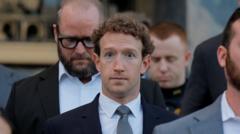
Meta urged to boost oversight of fake AI videos
#Meta #AI videos #deepfakes #oversight #misinformation #synthetic media #regulation
📌 Key Takeaways
- Meta faces calls to increase monitoring of AI-generated fake videos
- Concerns focus on misinformation risks from deepfakes and synthetic media
- Oversight demands highlight regulatory gaps in AI content governance
- Pressure reflects broader industry challenges with AI ethics and safety
📖 Full Retelling
🏷️ Themes
AI Regulation, Misinformation
📚 Related People & Topics
Entity Intersection Graph
Connections for Meta:
View full profileMentioned Entities
Deep Analysis
Why It Matters
This news matters because AI-generated fake videos pose significant threats to democratic processes, public trust, and individual reputations. As deepfake technology becomes more accessible, platforms like Meta face increasing pressure to prevent election interference and misinformation campaigns. The issue affects voters, political candidates, journalists, and anyone who relies on social media for information, with particular urgency during election cycles when manipulated content could sway public opinion.
Context & Background
- Meta (formerly Facebook) has faced repeated criticism for its handling of misinformation since the 2016 U.S. presidential election
- Deepfake technology has advanced rapidly since 2017, making realistic fake videos increasingly difficult to detect
- Multiple countries including the U.S., EU, and India have proposed or passed legislation regulating AI-generated content ahead of elections
- Meta already has some AI content policies but enforcement has been inconsistent according to independent researchers
What Happens Next
Meta will likely face formal regulatory pressure within 30-60 days, possibly from bodies like the EU Commission or U.S. FTC. The company may announce new detection tools or labeling requirements before major elections in 2024. Expect increased scrutiny during the U.S. election cycle with potential congressional hearings if viral deepfakes emerge.
Frequently Asked Questions
Deepfakes are AI-generated videos that realistically manipulate people's appearance and speech. They're dangerous because they can falsely depict politicians saying things they never said, potentially influencing elections and undermining trust in media.
Meta platforms (Facebook, Instagram, WhatsApp) reach billions of users globally, making them prime vectors for misinformation. The company has a history of controversial content moderation decisions that have drawn regulatory attention.
Detection methods include digital watermarking, forensic analysis of video artifacts, and AI classifiers trained to spot inconsistencies. However, as generation technology improves, detection becomes increasingly challenging.
Meta could face fines under laws like the EU's Digital Services Act, which requires large platforms to mitigate systemic risks. In the U.S., Section 230 protections might be challenged if platforms knowingly distribute harmful deepfakes.
Users may see more content warnings on videos, reduced viral spread of unverified content, and possibly new reporting tools for suspected deepfakes. However, some legitimate content might get caught in automated filters.