
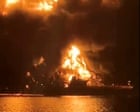
Middle East crisis live: Iran steps up campaign to disrupt energy markets as oil price hits $100 a barrel
#Iran #Middle East crisis #oil prices #energy markets #$100 per barrel #market disruption #geopolitical tension
📌 Key Takeaways
- Iran is escalating efforts to disrupt global energy markets amid Middle East tensions
- Oil prices have surged to $100 per barrel due to these disruptions
- The situation reflects ongoing geopolitical instability in the Middle East
- Energy market volatility is impacting global economic conditions
📖 Full Retelling
🏷️ Themes
Geopolitics, Energy Markets
📚 Related People & Topics

Middle East
Transcontinental geopolitical region
The Middle East is a geopolitical region encompassing the Arabian Peninsula, Egypt, Iran, Iraq, the Levant, and Turkey. The term came into widespread usage by Western European nations in the early 20th century as a replacement of the term Near East (both were in contrast to the Far East). The term ...
Entity Intersection Graph
Connections for Middle East:
Mentioned Entities
Deep Analysis
Why It Matters
This development matters because rising oil prices directly impact global inflation, transportation costs, and economic growth worldwide. It affects consumers through higher fuel prices, businesses through increased operational costs, and governments through economic policy challenges. The situation is particularly critical for energy-importing nations and could trigger broader economic instability if sustained.
Context & Background
- Iran has historically used energy market disruption as geopolitical leverage, particularly during regional tensions
- The Strait of Hormuz handles about 20% of global oil trade, making it a critical chokepoint vulnerable to disruption
- Global oil prices have been volatile since Russia's invasion of Ukraine in 2022, with OPEC+ production cuts adding pressure
- Iran's nuclear program and regional proxy conflicts have created ongoing tensions with Western nations and Gulf states
- $100/barrel oil represents a psychological and economic threshold that often triggers policy responses
What Happens Next
Expect increased diplomatic efforts to stabilize markets, potential emergency OPEC+ meetings, and possible strategic petroleum reserve releases by consuming nations. Military patrols in key shipping lanes will likely intensify, and energy companies may accelerate alternative supply routes. The situation could escalate if further disruptions occur or if diplomatic tensions worsen in coming weeks.
Frequently Asked Questions
Iran can disrupt markets through threats to shipping lanes like the Strait of Hormuz, supporting proxy attacks on energy infrastructure, or by leveraging its position as an oil producer to create supply uncertainty. These actions create risk premiums that drive up global prices.
Major oil-exporting nations like Saudi Arabia, Russia, and UAE benefit from increased revenue. Energy companies and alternative energy producers also gain, while countries with large strategic reserves can profit by selling at higher prices.
Consumers face higher gasoline prices, increased transportation costs that raise prices for goods, and potential utility bill increases. This reduces disposable income and can slow economic growth as spending power decreases.
Governments can release strategic petroleum reserves, negotiate with OPEC+ for increased production, implement temporary fuel subsidies, or accelerate permits for domestic energy production. Diplomatic efforts to reduce regional tensions are also crucial.
Continued price pressure depends on whether actual supply disruptions occur beyond current threats, how OPEC+ responds, and whether diplomatic solutions emerge. Seasonal demand changes and global economic conditions will also influence the trajectory.