
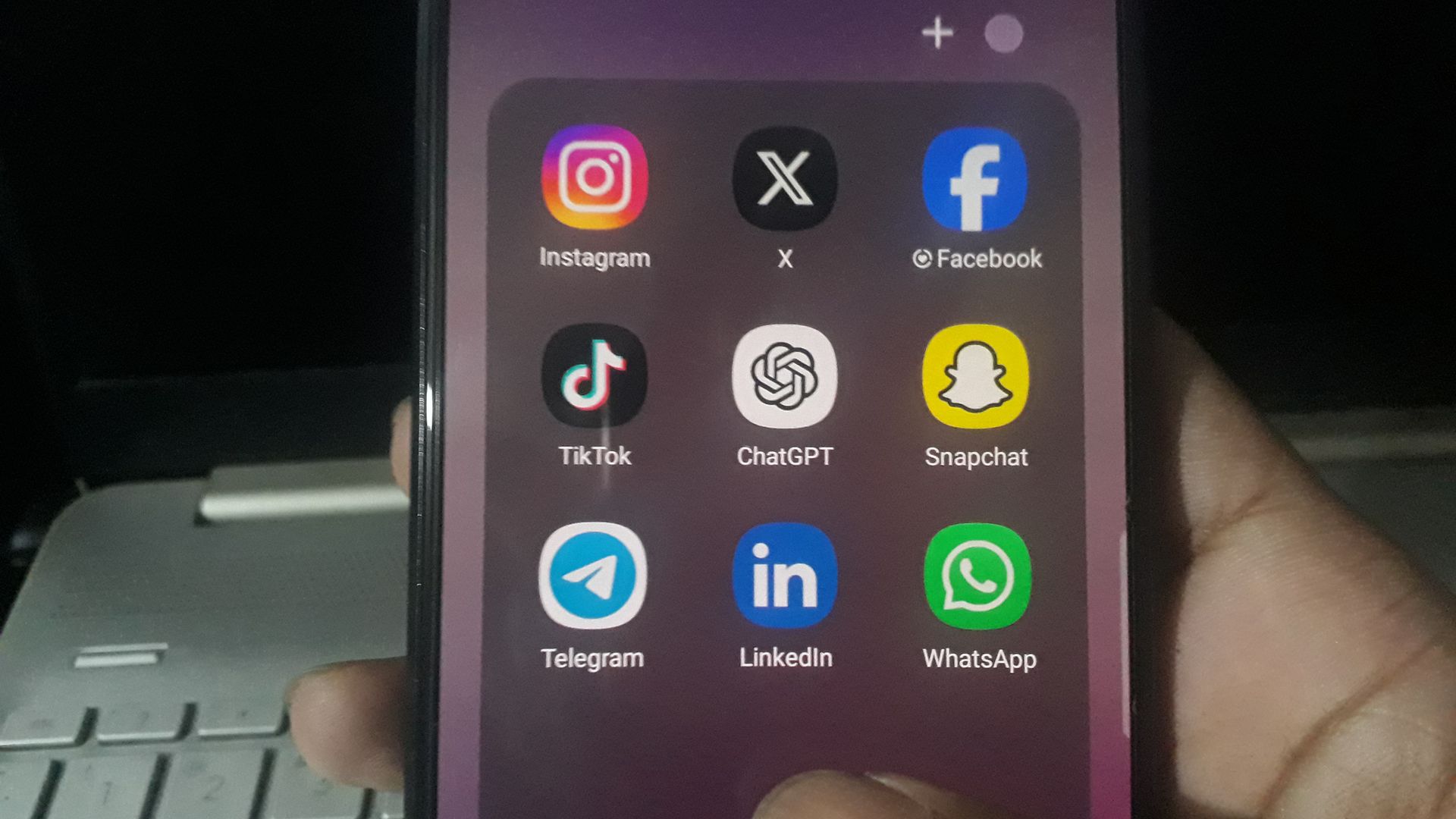
MPs vote down social media ban for under-16s
#social media ban #under-16s #MPs vote #online safety #child protection #digital access #UK Parliament
📌 Key Takeaways
- UK MPs rejected a proposed ban on social media for under-16s.
- The vote reflects ongoing debate over online safety and age restrictions.
- The decision leaves current regulations unchanged for now.
- The issue involves balancing child protection with digital access.
🏷️ Themes
Online Safety, Youth Policy
📚 Related People & Topics
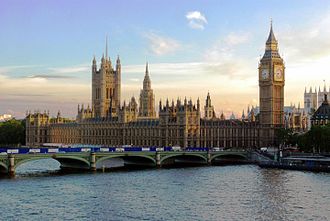
Parliament of the United Kingdom
Supreme legislative body of the United Kingdom
The Parliament of the United Kingdom of Great Britain and Northern Ireland is the supreme legislative body of the United Kingdom, and may also legislate for the Crown Dependencies and the British Overseas Territories. Since 1999, varying degrees of powers have been devolved to the national parliamen...
Entity Intersection Graph
Connections for Parliament of the United Kingdom:
Mentioned Entities
Deep Analysis
Why It Matters
This decision directly impacts millions of children, parents, and social media companies by maintaining current access patterns for young users. It reflects ongoing societal debates about balancing child protection with digital rights and autonomy. The vote shapes how future online safety legislation will approach age verification and parental controls, influencing tech platform design and family dynamics nationwide.
Context & Background
- The UK Online Safety Act 2023 already imposes duties on platforms to protect children from harmful content
- Multiple studies have shown links between social media use and mental health issues in adolescents
- Previous proposals for age verification systems have faced criticism over privacy and implementation challenges
- Many social platforms already have minimum age requirements (typically 13) that are often circumvented
What Happens Next
Platforms will continue developing voluntary age assurance tools while awaiting Ofcom's guidance on child safety duties. Further parliamentary debates on specific age verification amendments are likely in coming months. The government may propose alternative measures focusing on parental controls rather than outright bans.
Frequently Asked Questions
MPs voted against an amendment to the Online Safety Act that would have required social media platforms to prevent under-16s from creating accounts without parental verification. The proposal aimed to mandate age assurance measures for younger users.
Opponents argued blanket bans are impractical to enforce and might push children toward less regulated platforms. They also raised concerns about privacy implications of widespread age verification systems and children's rights to access information.
The Online Safety Act requires platforms to implement age-appropriate safety measures and remove illegal content. Many platforms offer parental controls and content filters, but these are often optional and vary significantly between services.
The EU's Digital Services Act requires platforms to assess risks to minors and implement protective measures. Several US states have passed laws requiring parental consent for minors' social media use, though these face legal challenges over free speech concerns.
Options include mandatory high-privacy age estimation tools, enhanced parental consent systems, and requiring platforms to design safer default settings for young users. Some advocate for digital literacy education rather than access restrictions.