
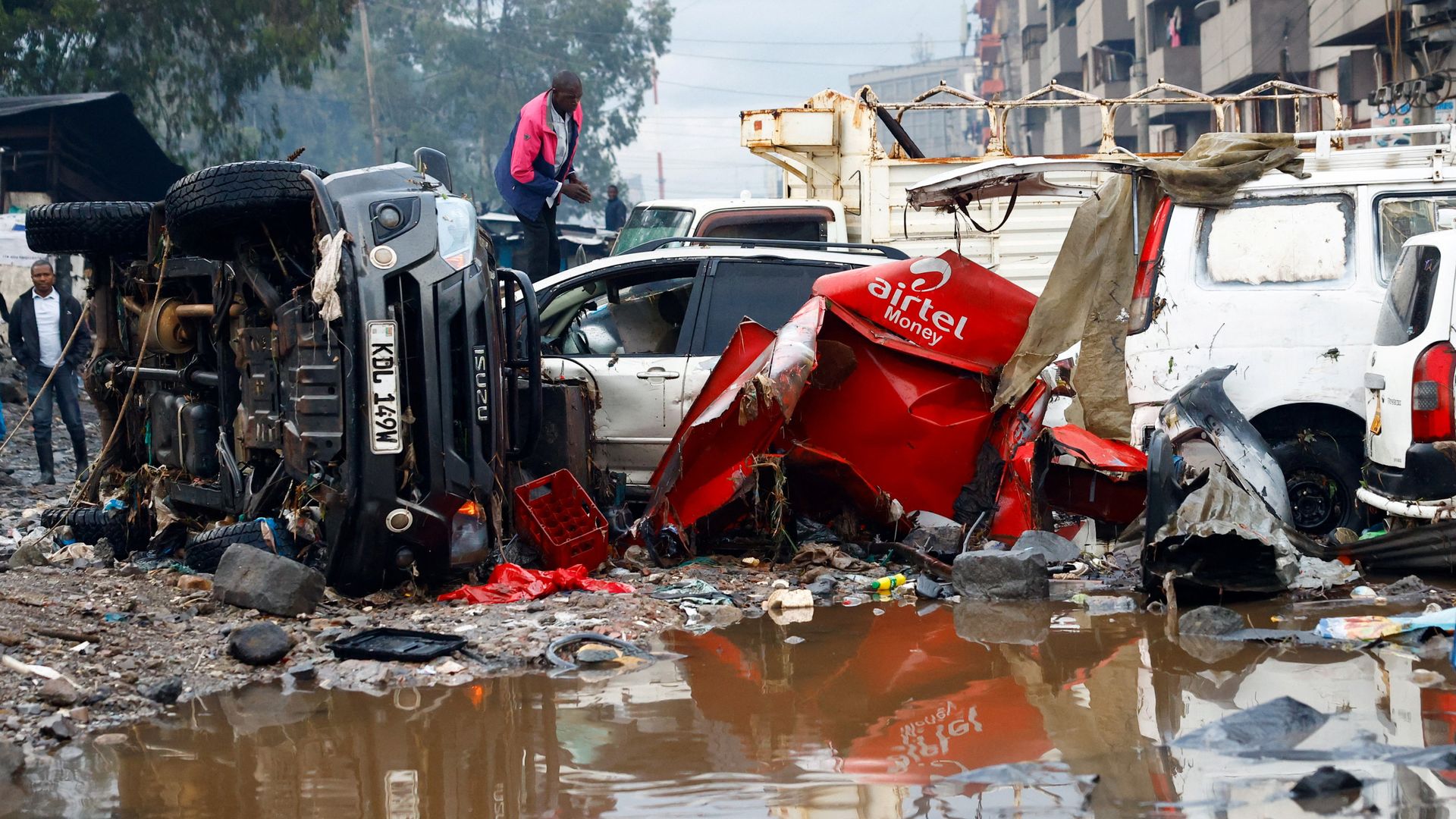
Nairobi flash floods kill more than 20 people and cause widespread airport disruption
#Nairobi #flash floods #fatalities #airport disruption #emergency response
📌 Key Takeaways
- Flash floods in Nairobi have resulted in over 20 fatalities.
- The floods caused significant disruption at the city's airport.
- The event highlights severe weather impacts on urban infrastructure.
- Emergency responses are underway to address the immediate crisis.
📖 Full Retelling
🏷️ Themes
Natural Disaster, Urban Infrastructure
📚 Related People & Topics

Nairobi
Capital and largest city of Kenya
Nairobi ( ny-ROH-bee) is the capital and largest city of Kenya, located in the south-central part of the country. As of 2024, it has a population of 4.8 million and a metropolitan population of 5.7 million, making it the 11th most populous city in Africa. Nicknamed the "Green City under the Sun," N...
Entity Intersection Graph
No entity connections available yet for this article.
Mentioned Entities
Deep Analysis
Why It Matters
This flash flood disaster matters because it represents a major urban infrastructure failure in Kenya's capital, directly causing significant loss of life and disrupting critical transportation networks. The flooding affects millions of Nairobi residents who face inadequate drainage systems and informal settlements vulnerable to extreme weather events. It highlights the growing climate vulnerability of African megacities and the urgent need for improved urban planning and emergency response systems. The airport disruption has regional economic implications, affecting trade, tourism, and regional connectivity across East Africa.
Context & Background
- Nairobi has experienced recurrent flooding problems for decades due to rapid urbanization that has outpaced infrastructure development
- Kenya has faced increased extreme weather events in recent years, with scientists linking more intense rainfall patterns to climate change impacts in East Africa
- The city's informal settlements, home to approximately 60% of Nairobi's population, are particularly vulnerable to flooding due to poor drainage and construction in flood-prone areas
- Jomo Kenyatta International Airport is East Africa's busiest aviation hub, handling over 7 million passengers annually and serving as a critical gateway for regional trade and tourism
- Previous major floods in Nairobi include the 2015 disaster that killed at least 15 people and the 2023 floods that displaced thousands of residents
What Happens Next
Emergency response teams will continue search and rescue operations while the government likely declares a state of emergency in affected areas. Airport authorities will work to restore full operations within 24-48 hours, though flight cancellations and delays will persist. The Kenyan government will face pressure to implement immediate drainage clearing and announce longer-term flood mitigation infrastructure projects. International aid organizations may deploy assistance, particularly for displaced populations in informal settlements. Climate adaptation funding discussions will intensify ahead of the 2024 UN Climate Change Conference (COP29).
Frequently Asked Questions
Nairobi's vulnerability stems from rapid, unplanned urbanization that has overwhelmed drainage systems, combined with many informal settlements built in natural watercourses and floodplains. The city's topography with steep valleys exacerbates runoff during heavy rains, while inadequate maintenance of existing drainage infrastructure fails to handle extreme rainfall events.
The disruption at Jomo Kenyatta International Airport will cause significant flight cancellations and delays across East Africa, affecting both passenger travel and cargo shipments. Regional supply chains will experience interruptions, particularly for perishable goods like flowers and fresh produce that represent major Kenyan exports.
Long-term solutions require integrated urban planning including upgraded drainage systems, restoration of natural waterways, and relocation programs for settlements in high-risk areas. Climate-resilient infrastructure investments and early warning systems are essential, along with enforcing building regulations to prevent construction in flood-prone zones.
Scientists have documented increased frequency and intensity of extreme rainfall events in East Africa linked to climate change, with warming Indian Ocean temperatures contributing to more powerful rain systems. This disaster exemplifies how climate impacts intersect with urban development challenges, creating compound risks for growing cities like Nairobi.
Immediate needs include emergency shelter, clean water, medical care, and food supplies for displaced families. Search and rescue operations require specialized equipment, while disease prevention measures are crucial as standing water increases risks of cholera and other waterborne illnesses in affected areas.