
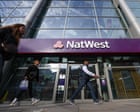
NatWest faces £140m hit from Iran war as UK growth slows and inflation rises
📖 Full Retelling
<p>Profits ahead of expectations but almost half of £283m impairment charge follows forecast reassessment</p><ul><li><p><a href="https://www.theguardian.com/business/live/2026/may/01/uk-house-prices-natwest-profits-iran-war-oil-price-trump-bank-of-england-ftse-100-business-live">Business live – latest updates</a></p></li></ul><p>NatWest said the economic fallout from the conflict in the Middle East could cost it £140m amid slowing
Entity Intersection Graph
No entity connections available yet for this article.
Original Source
NatWest faces £140m hit from Iran war as UK growth slows and inflation rises Profits ahead of expectations but almost half of £283m impairment charge follows forecast reassessment Business live – latest updates NatWest said the economic fallout from the conflict in the Middle East could cost it £140m amid slowing growth and rising inflation even as it reported profits ahead of expectations. Overall, the FTSE 100 lender booked a £283m impairment charge and said that almost half of that was because of a reassessment of its economic forecast to “reflect increased geopolitical risk and weaker equity markets”. The bank said it expects its base case for UK gross domestic product growth to be only 0.4% this year, half that forecast by the International Monetary Fund earlier this month. NatWest reported a 12% year-on-year increase in operating profits to £2bn in the first three months of the year, up from £1.8bn in the same period last year. The consensus among analysts was for an average of £1.9bn. NatWest’s economic forecasts include a rise in the rate of unemployment in the UK to 5.5% this year. Last week the Office for National Statistics put the rate of unemployment at 4.9% in February but said it expected that to climb because of the conflict. The bank said the impact of the Iran war will lead to inflation hitting 3.5% in its base case scenario. However, NatWest believes the Bank of England will not move to increase the base interest rate, which stands at 3.75%, this year, and that it will be maintained at this level until at least 2030. The market is factoring in at least two rate rises by the monetary policy committee by the end of this year. Earlier this week, Lloyds Banking Group, which booked a £151m charge because of the changing economic conditions , forecast GDP growth of 0.5% this year as its base case. On Thursday the Bank of England voted to leave the rate at 3.75% but warned of increases later this year, saying “higher inflation is unavoidable” as a result...
Read full article at source