
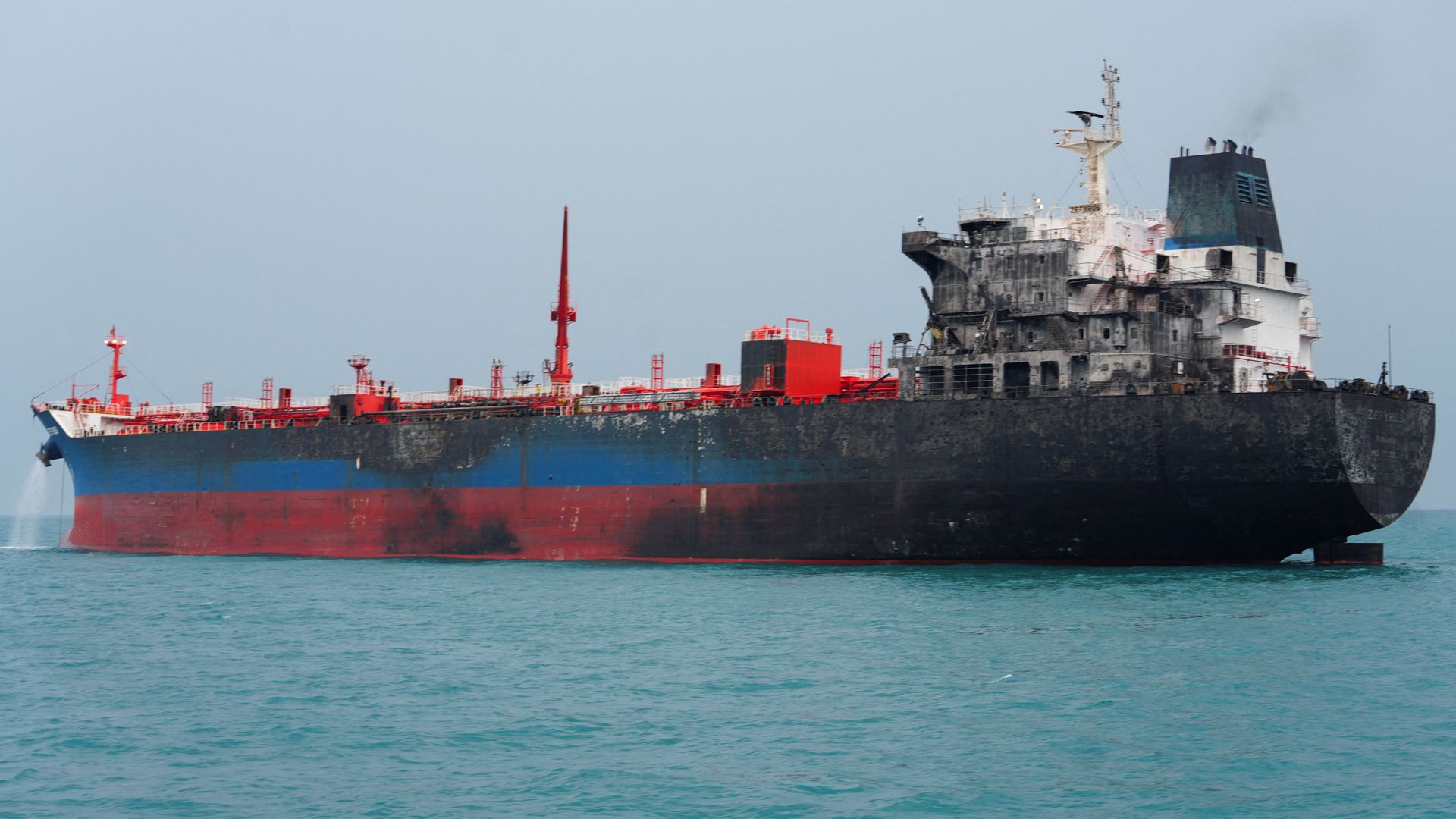
Naval escorts could make tankers a target, UN warns
#UN #naval escorts #tankers #maritime security #shipping lanes #conflict escalation #target risk
📌 Key Takeaways
- UN warns naval escorts may increase targeting risk for tankers
- Military protection could escalate regional maritime tensions
- Security measures might inadvertently draw hostile attention
- Conflict dynamics in key shipping lanes are a concern
📖 Full Retelling
🏷️ Themes
Maritime Security, Conflict Risk
📚 Related People & Topics

United Nations
Global intergovernmental organization
The United Nations (UN) is a global intergovernmental organization established by the signing of the UN Charter on 26 June 1945 with the articulated mission of maintaining international peace and security, to develop friendly relations among states, to promote international cooperation, and to serve...
Entity Intersection Graph
Connections for United Nations:
View full profileMentioned Entities
Deep Analysis
Why It Matters
This warning from the UN highlights a critical security dilemma in global shipping lanes, particularly affecting oil tankers and commercial vessels in conflict zones. It matters because it could reshape maritime security strategies and insurance costs for shipping companies worldwide. The warning affects not only naval forces and shipping operators but also global energy markets that depend on safe passage of oil tankers through strategic waterways. If naval escorts inadvertently increase targeting risks, it could lead to higher shipping costs and potential disruptions to global energy supplies.
Context & Background
- Maritime security has become increasingly complex with rising tensions in strategic waterways like the Strait of Hormuz, Red Sea, and South China Sea
- Historically, naval escorts have been used to protect commercial shipping during conflicts, such as during the Iran-Iraq 'Tanker War' of the 1980s
- Recent attacks on commercial vessels in the Red Sea by Houthi rebels have prompted international naval responses including Operation Prosperity Guardian
- The UN has traditionally advocated for freedom of navigation while balancing security concerns in international waters
- Insurance premiums for shipping through conflict zones have skyrocketed following recent attacks, affecting global trade costs
What Happens Next
Shipping companies and insurance providers will likely reassess risk assessments for vessels in escorted convoys versus independent passage. International maritime organizations may develop new guidelines for naval escort operations to minimize targeting risks. We can expect increased diplomatic discussions at the International Maritime Organization and UN Security Council about balancing protection with provocation in conflict zones. Within the next 2-3 months, naval forces may adjust their escort tactics based on this UN warning.
Frequently Asked Questions
Naval escorts can signal that a vessel is carrying valuable cargo or represents a strategic target worth attacking. Military presence may escalate tensions and make escorted ships more visible and attractive targets for hostile actors seeking to make political statements or disrupt trade.
Increased targeting risks could lead to higher insurance costs and potential route diversions for oil tankers, which may temporarily reduce supply and increase prices. However, the actual impact depends on whether attacks materialize and how shipping companies adjust their operations.
Alternatives include enhanced onboard security teams, improved intelligence sharing between commercial and military entities, route diversification, and diplomatic efforts to secure safe passage agreements. Some companies are also investing in defensive technologies for their vessels.
The warning primarily applies to conflict zones where naval escorts are currently operating, including the Red Sea, Gulf of Aden, Persian Gulf, and potentially the Black Sea. These regions see significant tanker traffic and have experienced recent attacks on commercial shipping.
Shipping companies will likely conduct new risk assessments, potentially adjusting insurance coverage and considering whether to accept or decline naval escorts. Some may opt for longer alternative routes to avoid high-risk areas entirely, despite increased fuel costs and transit times.