
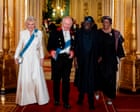
Nigeria takes its place on world stage in quest to become regional superpower
📖 Full Retelling
📚 Related People & Topics

Africa
Continent
Africa is the world's second-largest and second-most populous continent after Asia. At about 30.3 million km2 (11.7 million square miles) including adjacent islands, it covers around 20% of Earth's land area and 6% of its total surface area. With nearly 1.4 billion people as of 2021, it accounts for...

Nigeria
Country in West Africa
Nigeria, officially the Federal Republic of Nigeria, is a country in West Africa between the Sahel to the north and the Gulf of Guinea in the Atlantic Ocean to the south. It covers an area of 923,769 square kilometres (356,669 mi2). With a population of more than 236 million, it is the most populous...
Entity Intersection Graph
Connections for Africa:
Mentioned Entities
Deep Analysis
Why It Matters
Nigeria's emergence as a regional superpower matters because it represents a significant shift in Africa's geopolitical landscape, potentially challenging traditional power dynamics on the continent. This development affects neighboring West African nations who may experience increased Nigerian influence in economic, security, and diplomatic matters. For global powers like the United States, China, and European nations, Nigeria's rise creates both opportunities for partnership and potential competition for regional influence. The country's growing international role could also impact global energy markets and security initiatives in the Sahel region.
Context & Background
- Nigeria is Africa's most populous nation with over 200 million people and the continent's largest economy by GDP
- The country has historically played significant peacekeeping roles in West Africa through ECOWAS, including interventions in Liberia and Sierra Leone in the 1990s
- Nigeria possesses Africa's largest proven oil reserves and is a major OPEC member, though it has struggled with energy infrastructure and security challenges
- The country has faced internal security threats including Boko Haram insurgency in the northeast and separatist movements in the southeast
- Nigeria's foreign policy has traditionally emphasized 'Afrocentric' principles and leadership within African institutions
What Happens Next
Nigeria will likely increase its diplomatic engagements with both Western powers and emerging economies like China and India to secure investment and technology transfers. The country may take more assertive roles in regional security matters, particularly in addressing instability in the Sahel region and Gulf of Guinea maritime security. Upcoming elections in 2027 will test whether Nigeria's international ambitions can be sustained amid domestic economic challenges and political transitions. Nigeria will probably seek permanent African representation on the UN Security Council as part of its global status aspirations.
Frequently Asked Questions
Nigeria possesses the largest population and economy in Africa, along with significant military capabilities and natural resources including oil. The country has historical experience in regional leadership through ECOWAS peacekeeping missions and diplomatic initiatives. However, internal challenges including security threats and economic inequality could limit its superpower ambitions.
Neighboring West African countries may experience increased Nigerian economic influence through trade and investment, but also potential diplomatic pressure. Regional organizations like ECOWAS could become more Nigeria-centric in decision-making. Some nations might welcome Nigerian leadership on security issues, while others may resist perceived Nigerian dominance in regional affairs.
Internal security challenges including terrorism, banditry, and separatist movements threaten national stability and divert resources from international ambitions. Economic issues like high poverty rates, unemployment, and infrastructure deficits limit Nigeria's capacity to project power externally. Political corruption and governance challenges could undermine the credibility needed for effective regional leadership.
Both powers will likely compete for influence with Nigeria as it becomes more strategically important in Africa. The US may seek to strengthen security cooperation against terrorism while China will pursue infrastructure and trade opportunities. Nigeria's growing confidence could lead to more independent foreign policy decisions that don't automatically align with either major power.
Oil revenues provide crucial funding for military modernization, infrastructure development, and diplomatic initiatives. However, dependence on oil makes Nigeria vulnerable to price fluctuations and complicates economic diversification efforts. Environmental concerns and global energy transition trends could challenge Nigeria's traditional oil-based economic model in the long term.