

Norway prosecutor asks for seven years' jail for crown princess's son in rape trial
#Norway #crown princess #rape trial #prosecutor #seven years jail #royal family #sexual assault
📌 Key Takeaways
- Norwegian prosecutor seeks seven-year prison sentence for the crown princess's son in a rape trial
- The case involves serious sexual assault allegations against a member of the royal family
- Legal proceedings highlight accountability regardless of social status
- Outcome could impact public perception of the monarchy and justice system
📖 Full Retelling
🏷️ Themes
Legal Accountability, Royal Family Scandal
📚 Related People & Topics
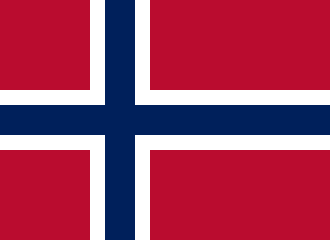
Norway
Country in northern Europe
# Norway **Norway**, officially the **Kingdom of Norway**, is a Nordic country situated in Northern Europe. It occupies the western and northernmost portions of the Scandinavian Peninsula and maintains territory extending into the Arctic and Subantarctic regions. ### Geography and Territory Norway...
Entity Intersection Graph
Connections for Norway:
Mentioned Entities
Deep Analysis
Why It Matters
This case matters because it involves a member of Norway's royal family facing serious criminal charges, testing the principle that all citizens are equal under the law regardless of social status. It affects Norway's monarchy by potentially damaging its reputation and public trust during a sensitive period of generational transition. The outcome will influence public perception of judicial independence and could impact discussions about modernizing European monarchies. Victims of sexual violence and their advocates are watching closely to see if justice is applied consistently across social classes.
Context & Background
- Märtha Louise is the daughter of King Harald V and older sister of Crown Prince Haakon, making her children grandchildren of the monarch
- Norwegian royalty has traditionally enjoyed high public approval ratings, with the monarchy viewed as a unifying national symbol
- This case follows increased global scrutiny of how legal systems handle sexual assault allegations involving powerful individuals
- Norway's royal family has faced previous controversies including Princess Märtha Louise's relationship with a shaman and her stepping back from royal duties in 2019
- The Norwegian monarchy operates under a constitutional framework where royals have ceremonial roles but are subject to ordinary laws
What Happens Next
The court will deliver its verdict following the prosecutor's sentencing request, likely within weeks. If convicted, the defendant can appeal to higher Norwegian courts. Regardless of outcome, the royal household will need to manage public communications and potentially adjust family roles. The case may prompt parliamentary discussions about royal family members' legal status and accountability mechanisms.
Frequently Asked Questions
The defendant is the son of Princess Märtha Louise, making him a grandson of King Harald V of Norway. He is being tried in an ordinary criminal court like any other Norwegian citizen facing similar charges.
This represents a significant test for the monarchy's reputation as the case unfolds publicly. It challenges the institution's ability to maintain public trust while a family member faces serious criminal allegations in the justice system.
The prosecutor requested seven years imprisonment, indicating they view this as a serious offense warranting substantial punishment. Norwegian rape convictions typically carry sentences ranging from probation to 10+ years depending on severity and circumstances.
Constitutionally, Norwegian royals are subject to the same laws as other citizens. However, this high-profile case will demonstrate whether practical application matches this legal principle in sensitive criminal matters.
If convicted, he would serve time like any other prisoner unless the sentence is suspended or appealed. The royal family would need to navigate the personal and institutional consequences while maintaining their ceremonial duties.
Public reaction has been mixed with some expressing shock at the allegations against a royal family member, while others emphasize the importance of equal justice. The case has generated significant media coverage and public discussion about accountability.