SP
BravenNow
Of course we shouldn’t drill for more oil in the North Sea – we cancelled further exploitation for a reason | Bill McGuire
| United Kingdom | politics | ✓ Verified - theguardian.com

Of course we shouldn’t drill for more oil in the North Sea – we cancelled further exploitation for a reason | Bill McGuire

📖 Full Retelling

<p>We are at a critical point in the climate emergency and already struggling to meet emissions reduction targets. The UK government must hold its nerve</p><p>While the UK is only marginally involved in the war in the Middle East in military terms, the ramifications for this country are still potentially huge. And nowhere more so than in the energy sector. It isn’t a surprise, then, that commentary has focused on the impact potential policy interventions might have on the cost

📚 Related People & Topics

Bill McGuire

Topics referred to by the same term

Bill McGuire may refer to:

View Profile → Wikipedia ↗
North Sea

North Sea

Marginal sea of the Atlantic Ocean

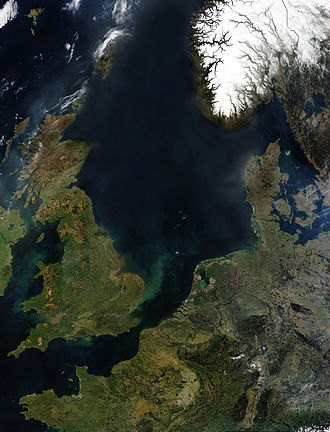
The North Sea lies between Great Britain, Denmark, Norway, Germany, the Netherlands, Belgium, and France. A sea on the European continental shelf, it connects to the Atlantic Ocean through the English Channel in the south and the Norwegian Sea in the north. It is more than 970 kilometres (600 mi) lo...

View Profile → Wikipedia ↗

Entity Intersection Graph

No entity connections available yet for this article.

Mentioned Entities

Bill McGuire

Topics referred to by the same term

North Sea

North Sea

Marginal sea of the Atlantic Ocean

Deep Analysis

Why It Matters

This news matters because it addresses the critical tension between energy security and climate action, directly impacting UK energy policy, environmental groups, and the fossil fuel industry. It highlights the UK's commitment to its net-zero targets and the global precedent it sets for phasing out fossil fuel extraction. The decision affects North Sea communities reliant on oil jobs, consumers facing energy costs, and international climate efforts, emphasizing the need for a just transition to renewable energy.

Context & Background

  • The UK has legally binding targets to reach net-zero greenhouse gas emissions by 2050, requiring a shift away from fossil fuels.
  • North Sea oil and gas production has been declining since its peak in the late 1990s, with reserves becoming harder and more expensive to extract.
  • In 2021, the International Energy Agency stated that no new oil and gas fields should be developed globally to limit warming to 1.5°C above pre-industrial levels.
  • The UK government previously approved new oil and gas licenses, citing energy security concerns, but faced criticism from climate activists and scientists.
  • Bill McGuire is a prominent volcanologist and climate scientist known for advocating urgent climate action, adding authority to the argument against drilling.

What Happens Next

Expect increased political debate in the UK over energy policy, with potential legal challenges or protests if new drilling permits are considered. The government may face pressure to accelerate renewable energy investments and just transition plans for oil-dependent regions. Internationally, this could influence upcoming climate negotiations, such as COP29, by reinforcing calls to end fossil fuel expansion.

Frequently Asked Questions

Why did the UK cancel further oil exploitation in the North Sea?

The cancellation aligns with climate goals to reduce carbon emissions and avoid locking in fossil fuel dependency, as emphasized by scientific warnings and international agreements like the Paris Accord.

How does this decision affect UK energy security?

It may reduce domestic oil supply in the short term, but proponents argue it pushes investment into renewables and efficiency, enhancing long-term security by diversifying energy sources and reducing import reliance.

What are the economic impacts on North Sea communities?

Job losses in the oil sector are a concern, but a just transition plan could retrain workers for roles in offshore wind, carbon capture, and other green industries to support local economies.

Does this mean the UK will stop all North Sea drilling immediately?

No, existing licenses and production continue, but new exploration and development are restricted, with a gradual phase-out expected as part of climate policies.

How does this relate to global climate efforts?

It sets an example for developed nations to curb fossil fuel extraction, supporting global targets to limit warming and encouraging similar actions worldwide through moral and policy leadership.

}
Original Source
Of course we shouldn’t drill for more oil in the North Sea – we cancelled further exploitation for a reason Bill McGuire We are at a critical point in the climate emergency and already struggling to meet emissions reduction targets. The UK government must hold its nerve W hile the UK is only marginally involved in the war in the Middle East in military terms, the ramifications for this country are still potentially huge. And nowhere more so than in the energy sector. It isn’t a surprise, then, that commentary has focused on the impact potential policy interventions might have on the cost of energy to UK homes and businesses, and on whether the decisions the government takes will make the nation more – or less – energy-secure. The usual suspects in Reform and the Tory party have used the war as an excuse to renew demands that the North Sea be sucked dry of its remaining oil and gas, in order – they say – to end reliance on fossil fuel imports and to guarantee energy security. More sensible heads have argued that the North Sea basin is a field that is way past peak production , and that has only limited amounts of oil and gas left, and that energy security can only be reached if we move further and faster on renewables. Extraordinarily, the real reason no further significant exploitation of North Sea oil and gas is planned seems to have been entirely forgotten, or at least set aside. Fossil fuels are not being shut down in favour of renewables on a whim, or even to protect the country from the sort of shocks foreign wars bring, but because we are at the height of a climate emergency that demands every country slash its greenhouse gas discharges. The UK is already struggling to meet a 2030 emissions reduction target of 68% compared with 1990 levels, and is off track to achieve net zero emissions in 2050. Any renaissance of homegrown fossil fuel usage would blow a hole through these already shaky ambitions. Just because all eyes are turned to the Gulf doesn’t mean the c...
Read full article at source

Source

theguardian.com

More from United Kingdom

News from Other Countries

🇺🇸 USA

🇺🇦 Ukraine