
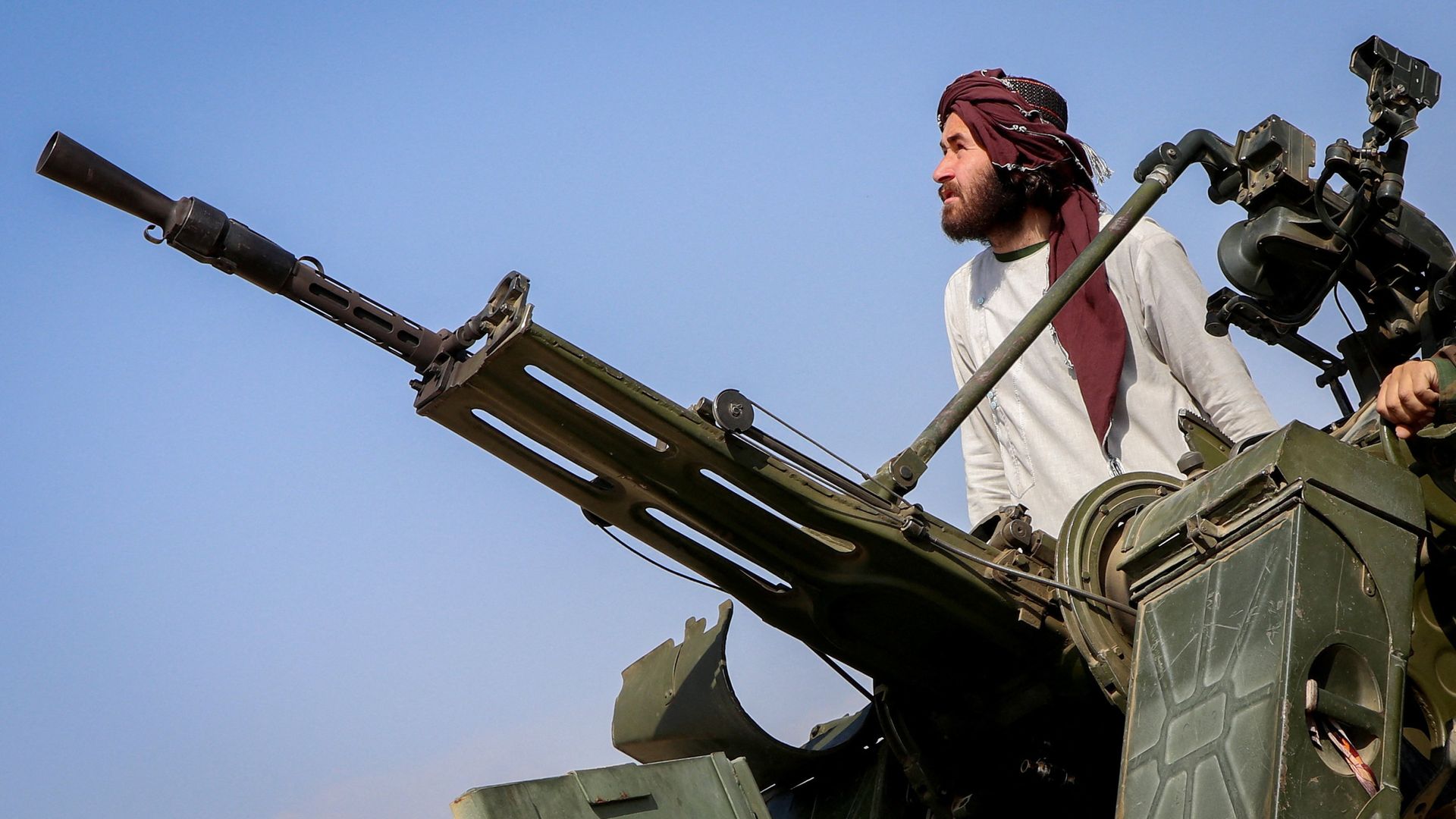
Pakistan-Afghanistan conflict displaces more than 100,000, UN says
#Pakistan #Afghanistan #conflict #displacement #United Nations #humanitarian crisis #refugees
📌 Key Takeaways
- Over 100,000 people have been displaced due to conflict between Pakistan and Afghanistan.
- The United Nations has confirmed the displacement figures.
- The conflict is causing a significant humanitarian crisis in the region.
- The displaced individuals require urgent aid and protection.
📖 Full Retelling
🏷️ Themes
Displacement, Conflict
📚 Related People & Topics

United Nations
Global intergovernmental organization
The United Nations (UN) is a global intergovernmental organization established by the signing of the UN Charter on 26 June 1945 with the articulated mission of maintaining international peace and security, to develop friendly relations among states, to promote international cooperation, and to serve...

Pakistan
Country in South Asia
Pakistan, officially the Islamic Republic of Pakistan, is a country in South Asia. It is the fifth-most populous country, with a population of over 241.5 million, having the second-largest Muslim population as of 2023. Islamabad is the nation's capital, while Karachi is its largest city and financia...

Afghanistan
Country in Central and South Asia
Afghanistan, officially the Islamic Emirate of Afghanistan, is a landlocked country located at the crossroads of Central and South Asia. It is bordered by Pakistan to the east and south, Iran to the west, Turkmenistan to the northwest, Uzbekistan to the north, Tajikistan to the northeast, and China ...
Entity Intersection Graph
Connections for United Nations:
View full profileMentioned Entities
Deep Analysis
Why It Matters
This displacement crisis matters because it represents a severe humanitarian emergency affecting vulnerable civilian populations caught between two nations with historically tense relations. The mass displacement strains already limited resources in border regions and creates potential security risks as displaced populations become susceptible to recruitment by militant groups. This affects not only the displaced families who lose homes and livelihoods, but also neighboring communities, humanitarian organizations, and regional stability as Pakistan and Afghanistan navigate their complex relationship amid Taliban governance in Kabul.
Context & Background
- Pakistan and Afghanistan share a 2,670 km border known as the Durand Line, established in 1893 but never formally recognized by Afghanistan
- Tensions have escalated since the Taliban returned to power in Afghanistan in 2021, with Pakistan accusing the Afghan Taliban of harboring militants who attack Pakistani security forces
- Pakistan has conducted multiple military operations in border regions since 2014, displacing hundreds of thousands previously
- The border region is home to ethnic Pashtun communities divided by the colonial-era boundary, with cross-border tribal affiliations complicating security dynamics
What Happens Next
Humanitarian agencies will likely issue emergency appeals for funding to support displaced populations through winter months. Pakistan may increase pressure on Afghanistan's Taliban government to rein in militant groups operating from Afghan territory. Regional diplomatic efforts through organizations like the OIC (Organization of Islamic Cooperation) could intensify to mediate tensions. The displacement may become protracted if security operations continue, potentially leading to permanent demographic changes in border regions.
Frequently Asked Questions
People are being displaced due to escalating military operations and cross-border attacks between Pakistani security forces and militant groups operating from Afghan territory. The conflict has intensified since the Taliban returned to power in Afghanistan, with Pakistan accusing Afghan-based militants of conducting attacks on its soil.
The United Nations and its agencies like UNHCR are leading the humanitarian response alongside international NGOs and local organizations. These groups provide emergency shelter, food, water, and medical assistance to displaced families, though resources are strained by the scale of displacement.
The displacement crisis exacerbates tensions between Pakistan and Afghanistan's Taliban government, potentially destabilizing the broader region. It creates humanitarian burdens that could spill into neighboring countries and provides fertile ground for militant recruitment among desperate displaced populations.
Tensions stem from Afghanistan's non-recognition of the Durand Line border since Pakistan's independence in 1947. The border divides ethnic Pashtun communities, and Afghanistan has historically supported Pashtun nationalist movements, creating persistent diplomatic friction between the two nations.
While most displacement appears to be internal within Pakistan's border regions, some families may attempt to cross into Afghanistan, though this is complicated by Afghanistan's own economic crisis under Taliban rule. The UN typically monitors both internal displacement and potential refugee movements across borders.