
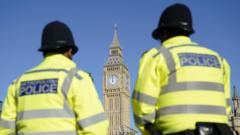
Police offered support to tackle rising threats against MPs
📚 Related People & Topics
Entity Intersection Graph
Connections for MP:
Mentioned Entities
Deep Analysis
Why It Matters
This news matters because it addresses the growing security threats against elected representatives, which directly impacts democratic processes and public safety. It affects MPs who face increasing risks, their staff and families, and the broader public who rely on stable governance. The police response indicates recognition of a serious problem that could undermine political participation and free speech if left unaddressed.
Context & Background
- Threats against UK politicians have increased significantly in recent years, with MPs reporting harassment, intimidation, and physical attacks.
- The 2016 murder of MP Jo Cox highlighted extreme risks, leading to ongoing reviews of politicians' security arrangements.
- Social media has amplified abusive behavior toward public figures, with many MPs experiencing coordinated online harassment campaigns.
- The 2021 murder of MP Sir David Amess prompted further security upgrades and renewed focus on protection measures.
What Happens Next
Police will likely implement enhanced security protocols, possibly including increased patrols, personal protection training, and threat assessment teams. Parliament may review funding for MPs' security measures, and there could be public consultations on balancing safety with political accessibility. Specific timelines for rollout of new measures should be announced within weeks.
Frequently Asked Questions
Factors include heightened political polarization, the spread of misinformation online, and increased public frustration with government policies. Social media platforms have made it easier for individuals to target politicians with abusive content and threats.
While details aren't specified in the brief article, typical measures include threat assessment services, personal security advice, enhanced protection for constituency offices, and coordination with parliamentary security teams. These are likely tailored to individual risk levels.
Security threats can deter qualified individuals from entering politics and limit MPs' engagement with constituents. When elected officials feel unsafe performing their duties, it undermines representative democracy and public trust in political institutions.
Yes, increased security measures may lead to more virtual engagements, stricter screening at public events, and reduced accessibility. However, police will likely emphasize balancing protection with maintaining constituent connections essential to democratic representation.