
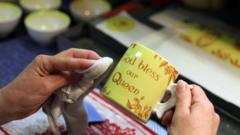
Pottery firm Denby to appoint administrators
#Denby #pottery #administrators #insolvency #manufacturing #UK #financial distress #restructuring
📌 Key Takeaways
- Denby, a historic pottery firm, is set to appoint administrators, indicating severe financial distress.
- The move suggests potential insolvency or restructuring efforts to address the company's challenges.
- This development could impact jobs, production, and the future of the brand.
- It reflects broader economic pressures on traditional manufacturing industries in the UK.
🏷️ Themes
Business Insolvency, Manufacturing Crisis
📚 Related People & Topics

United Kingdom
Country in northwestern Europe
The United Kingdom of Great Britain and Northern Ireland, commonly known as the United Kingdom (UK) or Britain, is a country in northwestern Europe, off the coast of the continental mainland. It comprises England, Scotland, Wales and Northern Ireland, with a population of over 69 million in 2024. Th...

Denby
Village in Derbyshire, England
Denby is a village in the English county of Derbyshire that is notable as the birthplace of John Flamsteed, England's first Astronomer Royal, and the location of the Denby Pottery Company. Denby is 3 miles (5 km) east from Belper and 8 miles (13 km) north of Derby. Denby is home to a secondary schoo...
Entity Intersection Graph
Connections for United Kingdom:
View full profileMentioned Entities
Deep Analysis
Why It Matters
This news matters because Denby is a historic British pottery brand with over 200 years of heritage, employing hundreds of workers and representing a significant part of the UK's manufacturing and cultural legacy. The potential administration affects employees, suppliers, retailers, and collectors who rely on the brand's products and reputation. It also signals ongoing challenges in traditional manufacturing sectors facing economic pressures, rising costs, and changing consumer habits. The outcome could impact the preservation of skilled craftsmanship and the future of British ceramic production.
Context & Background
- Denby was founded in 1809 in Derbyshire, England, and has been producing stoneware and pottery for over two centuries.
- The company survived previous economic downturns, including the decline of the UK pottery industry in the late 20th century, by focusing on premium tableware and gift markets.
- Denby has faced increased competition from imported ceramics and changing retail landscapes, including the decline of department stores and shifts to online shopping.
- The UK manufacturing sector has been under pressure from rising energy costs, supply chain disruptions, and post-Brexit trade complications affecting exports.
What Happens Next
Administrators will likely be appointed to assess Denby's financial position and explore options such as restructuring, sale of assets, or finding a buyer for the business. There may be immediate impacts on production, employee contracts, and orders. If a buyer is not found, the company could face liquidation, potentially leading to job losses and the closure of its Derbyshire factory. The process may unfold over weeks to months, with key dates including creditor meetings and potential bidding deadlines for interested parties.
Frequently Asked Questions
Appointing administrators means bringing in licensed insolvency practitioners to take control of the company, protect its assets, and try to rescue the business or achieve a better outcome for creditors than liquidation. It is a formal insolvency procedure often used when a company cannot pay its debts.
During administration, production and sales may continue temporarily if administrators believe it will help sell the business or assets. However, availability could be disrupted, and long-term product availability depends on whether the brand is rescued or acquired by another company.
Employees may continue working during administration, but their jobs are at risk if the company is liquidated or restructured. In the UK, administrators must inform staff of changes, and employees may claim redundancy pay and other entitlements from government funds if the company cannot pay.
Yes, administrators may seek a buyer or investor to rescue the business, possibly through a pre-pack administration sale or restructuring. Success depends on factors like brand value, market interest, and the company's debts. Historic brands have sometimes been revived under new ownership.
Customers with outstanding orders or warranties may face uncertainty, as administrators may not honor commitments if the business ceases trading. They should contact administrators for guidance and may need to seek refunds through payment providers or consumer protection schemes if products are not delivered.