
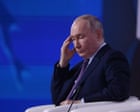
Putin asks oligarchs to donate to Russia’s dwindling defence budget
📖 Full Retelling
📚 Related People & Topics

Russia
Country in Eastern Europe and North Asia
Russia, or the Russian Federation, is a country in Eastern Europe and North Asia. It is the largest country in the world, spanning eleven time zones and sharing land borders with fourteen countries. With a population of over 140 million, Russia is the most populous country in Europe and the ninth-mo...

Vladimir Putin
President of Russia (2000–2008; since 2012)
Vladimir Vladimirovich Putin (born 7 October 1952) is a Russian politician and former intelligence officer who has served as President of Russia since 2012, having previously served from 2000 to 2008. Putin also served as Prime Minister of Russia from 1999 to 2000 and again from 2008 to 2012. He has...
Entity Intersection Graph
Connections for Russia:
Mentioned Entities
Deep Analysis
Why It Matters
This development matters because it signals potential financial strain in Russia's military operations, which could affect the duration and intensity of the Ukraine conflict. It directly impacts Russian oligarchs who face pressure to contribute personal wealth to state priorities, potentially affecting their business interests and international standing. For global observers, this suggests Russia may be exploring alternative funding mechanisms beyond traditional budget allocations, which could influence sanctions effectiveness and wartime economic strategies.
Context & Background
- Russia's defense spending has increased dramatically since the 2022 invasion of Ukraine, with estimates suggesting military expenditures now consume over 6% of GDP
- Many Russian oligarchs have faced international sanctions since 2014, with expanded restrictions following the 2022 invasion that have frozen assets and restricted international business operations
- Historically, Russian leaders have periodically pressured wealthy elites to contribute to state projects, with precedents dating back to both Tsarist and Soviet eras
- Russia's federal budget has faced pressure from multiple directions including sanctions, declining energy revenues, and the costs of maintaining military operations
What Happens Next
Oligarchs will likely face increasing pressure to comply with informal requests, with potential consequences for those who resist. The Russian government may introduce more formal mechanisms for 'voluntary' contributions if informal pressure proves insufficient. International sanctions monitors will track these developments as potential evasion mechanisms, possibly leading to expanded sanctions targeting donation channels.
Frequently Asked Questions
Oligarchs operate within a system where maintaining political favor is essential for business survival. Refusing such requests could lead to loss of state contracts, increased regulatory scrutiny, or even criminal investigations against their enterprises.
If successful, these donations could provide additional funding streams for military operations, potentially prolonging conflict. However, reliance on such measures also suggests budgetary constraints that could eventually limit Russia's military capabilities.
While framed as voluntary requests in official communications, the power dynamics between the Kremlin and oligarchs create substantial pressure to comply. Historical precedents suggest such 'requests' carry implicit expectations of compliance.
Sanctions authorities will likely monitor these transactions closely and may designate specific donation mechanisms or intermediaries for additional sanctions. There may also be increased scrutiny of oligarchs' remaining international assets.
Not necessarily running out, but it suggests the government is seeking supplementary funding sources beyond traditional budget allocations. This could indicate either preparation for prolonged conflict or concerns about sustainable financing of current operations.