
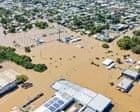
Queensland floods: police believe bodies found are those of missing backpackers
#Queensland #floods #police #backpackers #missing persons #bodies found #natural disaster
📌 Key Takeaways
- Police in Queensland have discovered bodies believed to be missing backpackers.
- The discovery is linked to recent severe flooding in the region.
- Authorities are conducting formal identification processes.
- The incident highlights dangers faced during natural disasters.
📖 Full Retelling
🏷️ Themes
Natural Disaster, Public Safety
📚 Related People & Topics

Queensland
State of Australia
Queensland (locally KWEENZ-land, commonly abbreviated as QLD) is a state in northeastern Australia, the second-largest and third-most populous state in Australia. It is bordered by the Northern Territory, South Australia and New South Wales to the west, south-west and south, respectively. To the e...
Entity Intersection Graph
Connections for Queensland:
Mentioned Entities
Deep Analysis
Why It Matters
This tragic discovery matters because it brings closure to families of missing international travelers while highlighting the deadly risks of extreme weather events in Australia. It affects the victims' families across multiple countries, Queensland's emergency services who conducted the search, and the tourism industry in flood-prone regions. The incident underscores how climate change is increasing the frequency and severity of natural disasters that endanger both residents and visitors. It also raises questions about safety protocols for travelers during severe weather warnings.
Context & Background
- Queensland, Australia experiences regular flooding during wet seasons, particularly in northern and coastal regions
- The state has experienced several major flood events in recent decades, including catastrophic 2010-2011 floods that affected much of Queensland
- Backpacker tourism is significant to Queensland's economy, with many young travelers visiting during Australian summer months
- Previous flood events in Australia have resulted in tourist fatalities, leading to improved warning systems and safety campaigns
- Climate change projections indicate increased frequency and intensity of extreme rainfall events in Queensland
What Happens Next
Police will conduct formal identification procedures and notify next of kin internationally. Coronial investigations will determine exact causes of death and examine whether adequate warnings were issued. Queensland authorities will likely review tourist safety protocols in flood-prone areas, potentially implementing new signage or restriction systems. The incident may influence travel insurance policies and government travel advisories regarding Australian wet season risks.
Frequently Asked Questions
While not extremely common, several tourists have died in Queensland floods over the past decade, particularly those engaging in risky behavior like driving through floodwaters. Most fatalities occur when visitors underestimate the power of flood currents or ignore road closure signs.
Queensland has extensive warning systems including emergency broadcasts, flood gauges, and road closure notifications. Tourism operators typically provide safety briefings, and rental car companies often include flood safety information. However, compliance remains a challenge with some travelers.
Short-term impacts may include increased caution among backpackers and potential negative publicity, but Queensland's tourism has historically recovered quickly from natural disasters. The industry may implement enhanced safety education and consider seasonal adjustments to high-risk activities.
Travelers should monitor official emergency channels, avoid all floodwaters (even shallow appearing ones), follow road closure instructions without exception, and have emergency plans including evacuation routes. Never attempt to cross flooded roads or bridges in vehicles or on foot.
Climate models project increased intensity of rainfall events and more frequent extreme weather in Queensland. Warmer oceans contribute to heavier precipitation, while changing weather patterns may alter traditional wet/dry season timing, creating more unpredictable flood risks.