
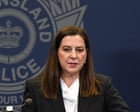
Queensland government ‘opens old wounds’ as police officer criticised after Palm Island riots appointed to Legal Aid board
#Queensland government #Palm Island riots #Legal Aid board #police officer #controversy #Indigenous community #appointment
📌 Key Takeaways
- Queensland government appoints a police officer criticized for involvement in Palm Island riots to the Legal Aid board.
- The appointment has sparked controversy and accusations of reopening old wounds.
- The decision is seen as insensitive to the Palm Island community and its historical grievances.
- Critics argue the appointment undermines trust in Legal Aid's commitment to justice.
📖 Full Retelling
🏷️ Themes
Government Controversy, Indigenous Rights
📚 Related People & Topics

Legal aid
Provision of free or low-cost legal representation to disadvantaged people
Legal aid is the provision of assistance to people who are unable to afford legal representation and access to the court system. Legal aid is regarded as central in providing access to justice by ensuring equality before the law, the right to counsel and the right to a fair trial. This article descr...
Entity Intersection Graph
Connections for Legal aid:
Mentioned Entities
Deep Analysis
Why It Matters
This appointment matters because it directly impacts trust between Indigenous communities and government institutions in Queensland. The Palm Island riots were a pivotal moment in Australia's history of police-Indigenous relations, stemming from the 2004 death in custody of Cameron Doomadgee. The decision affects Indigenous Australians who continue to experience systemic injustice, legal aid clients who rely on impartial representation, and broader public confidence in reconciliation efforts. It raises questions about whether institutions are truly committed to addressing historical grievances or merely perpetuating them through insensitive appointments.
Context & Background
- The Palm Island riots occurred in November 2004 after the death of Aboriginal man Cameron Doomadgee in police custody, with the coroner finding his injuries resembled those of a fatal car crash.
- A 2006 inquest found Senior Sergeant Chris Hurley, the officer involved, caused Doomadgee's death, though Hurley was later acquitted of manslaughter in 2007.
- The riots led to the burning down of the police station, courthouse, and an officer's residence, resulting in multiple convictions and ongoing community trauma.
- Legal Aid Queensland provides crucial legal assistance to disadvantaged Australians, including many Indigenous clients who rely on its services for fair representation.
- This appointment follows years of tension between Queensland police and Indigenous communities, with multiple reports highlighting systemic racism and over-policing.
What Happens Next
Indigenous advocacy groups will likely organize protests or formal complaints against the appointment. The Queensland government may face pressure to reverse the decision or provide justification. Legal proceedings could emerge if conflicts of interest are alleged in cases involving police conduct. The next state election may see this issue raised as part of broader Indigenous justice platforms. Ongoing monitoring will occur regarding whether this affects Indigenous Australians' willingness to seek legal aid assistance.
Frequently Asked Questions
The article references a police officer criticized after the Palm Island riots, though doesn't name them specifically. This likely refers to an officer involved in the controversial response to the 2004 death in custody and subsequent unrest, whose appointment now raises concerns about impartiality in legal aid services.
Legal Aid must maintain independence and community trust, particularly with Indigenous clients who disproportionately require its services. Appointing someone associated with a traumatic historical incident undermines confidence in the organization's commitment to impartial justice for marginalized communities.
The 2004 riots erupted after Aboriginal man Cameron Doomadgee died in police custody, with the community protesting systemic injustice. They remain significant as a symbol of ongoing tensions between Indigenous Australians and law enforcement, with unresolved trauma affecting generations.
Indigenous clients may hesitate to seek Legal Aid assistance if they perceive the board as unsympathetic to their experiences with police. This could worsen existing disparities in legal representation and outcomes for First Nations people in Queensland.
State governments typically appoint board members to statutory bodies like Legal Aid Queensland. This gives them direct influence over organizational leadership, making such appointments politically significant for community relations and justice policy.