
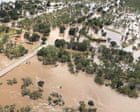
Rent pause for flooded Aboriginal communities: ‘We’re talking about the most disadvantaged people in the Territory’
#flooding #Aboriginal communities #rent pause #Northern Territory #disadvantaged #financial relief #natural disaster
📌 Key Takeaways
- Rent payments are being paused for Aboriginal communities affected by flooding in the Northern Territory.
- The measure aims to provide financial relief to residents described as among the most disadvantaged in the region.
- The flooding has caused significant hardship, prompting government or community-led intervention.
- The pause addresses immediate economic stress for vulnerable populations during a natural disaster.
📖 Full Retelling
🏷️ Themes
Disaster Relief, Indigenous Rights
📚 Related People & Topics

Northern Territory
Territory of Australia
The Northern Territory (abbreviated as NT; known formally as the Northern Territory of Australia and informally as the Territory) is an Australian internal territory in the central and central-northern regions of Australia. The Northern Territory shares its borders with Western Australia to the west...
Entity Intersection Graph
Connections for Northern Territory:
View full profileMentioned Entities
Deep Analysis
Why It Matters
This news matters because it addresses critical housing security for some of Australia's most vulnerable populations during natural disasters. It highlights systemic inequities faced by Aboriginal communities in the Northern Territory, who often experience disproportionate impacts from climate events due to existing socioeconomic disadvantages and remote locations. The rent pause directly affects residents' immediate financial stability while they recover from flooding, preventing further economic hardship. This decision also has broader implications for government responsibility toward Indigenous communities during crises and sets precedents for disaster response policies affecting marginalized groups nationwide.
Context & Background
- Aboriginal communities in Australia's Northern Territory have historically faced significant socioeconomic disparities including higher poverty rates, lower life expectancy, and inadequate infrastructure compared to non-Indigenous Australians
- Remote Indigenous communities frequently experience housing shortages and overcrowding, with many residents living in public or community housing where rent is typically subsidized but still constitutes a substantial portion of household income
- Northern Australia is particularly vulnerable to extreme weather events including cyclones and flooding, with climate change increasing the frequency and severity of these disasters in recent years
- Government responses to disasters in Indigenous communities have been historically criticized for being slow or inadequate, contributing to ongoing debates about self-determination and appropriate support mechanisms
What Happens Next
Community organizations will likely monitor implementation of the rent pause and advocate for extended support if recovery takes longer than anticipated. Government agencies may face pressure to develop permanent policies for rent relief during future disasters affecting vulnerable populations. Recovery efforts will focus on repairing damaged housing infrastructure while addressing underlying housing inadequacies that exacerbate disaster impacts. The situation may prompt broader discussions about climate adaptation strategies specifically designed for remote Indigenous communities.
Frequently Asked Questions
The rent pause benefits Aboriginal residents in specific Northern Territory communities affected by recent flooding, particularly those living in public or community housing where rent payments are normally required. This primarily assists low-income families and individuals who would struggle to pay rent while dealing with flood damage and displacement.
The article doesn't specify duration, but such pauses typically continue until floodwaters recede and basic housing functionality is restored. The timeframe depends on recovery progress, with possible extensions if repairs take longer than expected or if additional support is needed.
No, this is emergency relief rather than a structural solution. While it provides immediate financial relief, it doesn't address chronic problems like housing shortages, overcrowding, or inadequate infrastructure that make these communities particularly vulnerable to disasters.
Implementation likely involves territory housing authorities working with local community organizations and traditional owners. Coordination between different levels of government may be required, particularly if funding or policy adjustments are needed at multiple administrative levels.
Extended support would likely be needed, potentially including temporary housing alternatives, rental assistance programs, or permanent relocation arrangements. This scenario would require additional government intervention and community consultation to determine appropriate long-term solutions.