
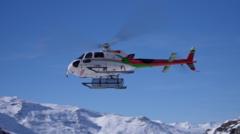
Rescuers blame weather and 'underprepared skiers' for rise in Alps avalanche deaths
#Alps #avalanche #deaths #rescuers #weather #skiers #underprepared #off-piste
📌 Key Takeaways
- Avalanche deaths in the Alps have increased, according to rescue services.
- Rescuers attribute the rise primarily to adverse weather conditions.
- Another key factor cited is skiers being underprepared for off-piste risks.
- The combination of weather and lack of preparedness is creating dangerous situations.
🏷️ Themes
Avalanche Safety, Skiing Risks
📚 Related People & Topics

Alps
Major mountain range in central Europe
The Alps () are some of the highest and most extensive mountain ranges in Europe, stretching approximately 1,200 km (750 mi) across several Alpine countries (from west to east): Monaco, France, Switzerland, Italy, Liechtenstein, Germany, Austria, Slovenia. The Alpine arch extends from Nice on the we...
Entity Intersection Graph
No entity connections available yet for this article.
Mentioned Entities
Deep Analysis
Why It Matters
This news matters because it highlights a growing safety crisis in Alpine skiing that affects both recreational tourists and local rescue services. The rising death toll indicates systemic issues with weather awareness and skier preparedness that could impact tourism economies in Alpine regions. This affects ski resorts, insurance companies, and families who participate in winter sports, while also straining emergency response resources across multiple countries.
Context & Background
- The Alps mountain range spans eight European countries and is one of the world's most popular skiing destinations, attracting millions annually
- Avalanche safety has been a concern for decades, with organizations like the European Avalanche Warning Services providing forecasts since the 1990s
- Climate change has altered snowpack stability in recent years, creating more unpredictable avalanche conditions
- Backcountry skiing has grown in popularity, with more skiers venturing outside marked resort boundaries
What Happens Next
Expect increased safety campaigns from Alpine nations ahead of the 2024-2025 ski season, potential regulatory changes requiring mandatory avalanche equipment, and possible insurance premium adjustments for off-piste skiing. Rescue organizations will likely push for better education requirements, while resorts may implement stricter access controls to high-risk areas.
Frequently Asked Questions
Rescuers cite two main factors: unusual weather patterns creating unstable snow layers, and increasing numbers of skiers venturing off-piste without proper training or equipment. The combination of more backcountry enthusiasts and changing snow conditions has created a dangerous situation.
Essential equipment includes an avalanche transceiver, probe pole, and shovel. Many experts also recommend avalanche airbag backpacks and recommend taking certified avalanche safety courses before venturing into backcountry terrain.
While avalanches occur throughout the Alps, Switzerland, Austria, and France typically report the highest numbers of incidents due to their extensive ski terrain and popularity with tourists. These countries have sophisticated but increasingly strained rescue services.
Skiers should consult daily avalanche forecasts from official services like the European Avalanche Warning Services, which provide danger ratings and specific risk information for different regions and elevations throughout the Alps.
Resorts are generally responsible for safety within marked boundaries but not for backcountry areas. Most resorts clearly mark boundaries and post warnings, but once skiers leave controlled areas, they assume personal responsibility for their safety.