
Rolls-Royce scraps goal to go all-electric by 2030
#Rolls-Royce #electric vehicles #2030 target #luxury cars #hybrid models #market conditions #automotive industry
📌 Key Takeaways
- Rolls-Royce has abandoned its target to produce only electric vehicles by 2030.
- The company is adjusting its strategy in response to market conditions and consumer demand.
- This decision reflects challenges in the luxury EV market and infrastructure readiness.
- Rolls-Royce will continue offering hybrid models while developing electric options.
📖 Full Retelling
🏷️ Themes
Automotive Strategy, Electric Vehicles
Entity Intersection Graph
No entity connections available yet for this article.
Deep Analysis
Why It Matters
This decision matters because Rolls-Royce is a luxury automotive icon whose strategic shifts influence the entire premium car market and signal broader industry trends. It affects wealthy consumers who expected exclusive electric vehicles, investors betting on luxury EV adoption, and competitors like Bentley and Mercedes-Maybach who must now reconsider their own electrification timelines. The move also impacts environmental advocates who saw luxury brands as crucial for normalizing high-end electric mobility and accelerating charging infrastructure development.
Context & Background
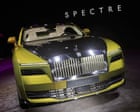
- Rolls-Royce launched its first fully electric vehicle, the Spectre, in 2023 as part of its initial commitment to become all-electric by 2030
- Parent company BMW Group had set ambitious electrification targets, with Rolls-Royce's plan aligning with BMW's broader strategy to offer electric options across all brands
- The luxury automotive segment has been slower to electrify than mass-market segments, with concerns about maintaining the silent, smooth driving experience expected by wealthy clients
- Global EV adoption rates have shown regional disparities, with some markets like China embracing luxury EVs while others like the Middle East maintaining stronger demand for traditional powertrains
- Rolls-Royce customers typically own multiple vehicles and have been less sensitive to fuel costs or environmental regulations that drive mainstream EV adoption
What Happens Next
Rolls-Royce will likely continue offering both electric and internal combustion models through the 2030s, with the Spectre remaining in production alongside updated gasoline variants. The company may introduce plug-in hybrid options as a transitional technology. Competitors will reassess their own electrification commitments, potentially leading to similar timeline adjustments across the ultra-luxury segment. Regulatory developments in key markets like the EU, UK, and California will force continued evaluation of compliance strategies as 2035 combustion engine bans approach.
Frequently Asked Questions
The company cited insufficient charging infrastructure in key markets and customer preferences for choice, recognizing that their wealthy clientele values flexibility and may operate vehicles in regions with limited EV support. Market readiness and maintaining the brand's uncompromising standards for convenience likely drove this pragmatic reassessment.
Yes, Rolls-Royce will continue producing and developing electric vehicles like the Spectre, but will now offer them alongside internal combustion models rather than as complete replacements. The company remains committed to electrification as part of its future, just on a more flexible timeline.
While Rolls-Royce operates with considerable autonomy, this decision creates some misalignment with BMW Group's broader electrification ambitions. However, as a low-volume niche brand, Rolls-Royce's shift likely won't significantly impact BMW's overall corporate emissions targets or mainstream brand strategies.
Competitors like Bentley (targeting 2030 all-electric) and Mercedes-Maybach now face pressure to either maintain more aggressive timelines as differentiators or follow Rolls-Royce's lead with extended transition periods. The ultra-luxury segment may develop a multi-powertrain approach longer than mass-market segments.
Some luxury and specialty manufacturers may reassess timelines, but mass-market brands face stronger regulatory and competitive pressures to maintain aggressive electrification schedules. The divergence highlights how different automotive segments are experiencing the EV transition at varying paces based on customer demographics and use cases.