
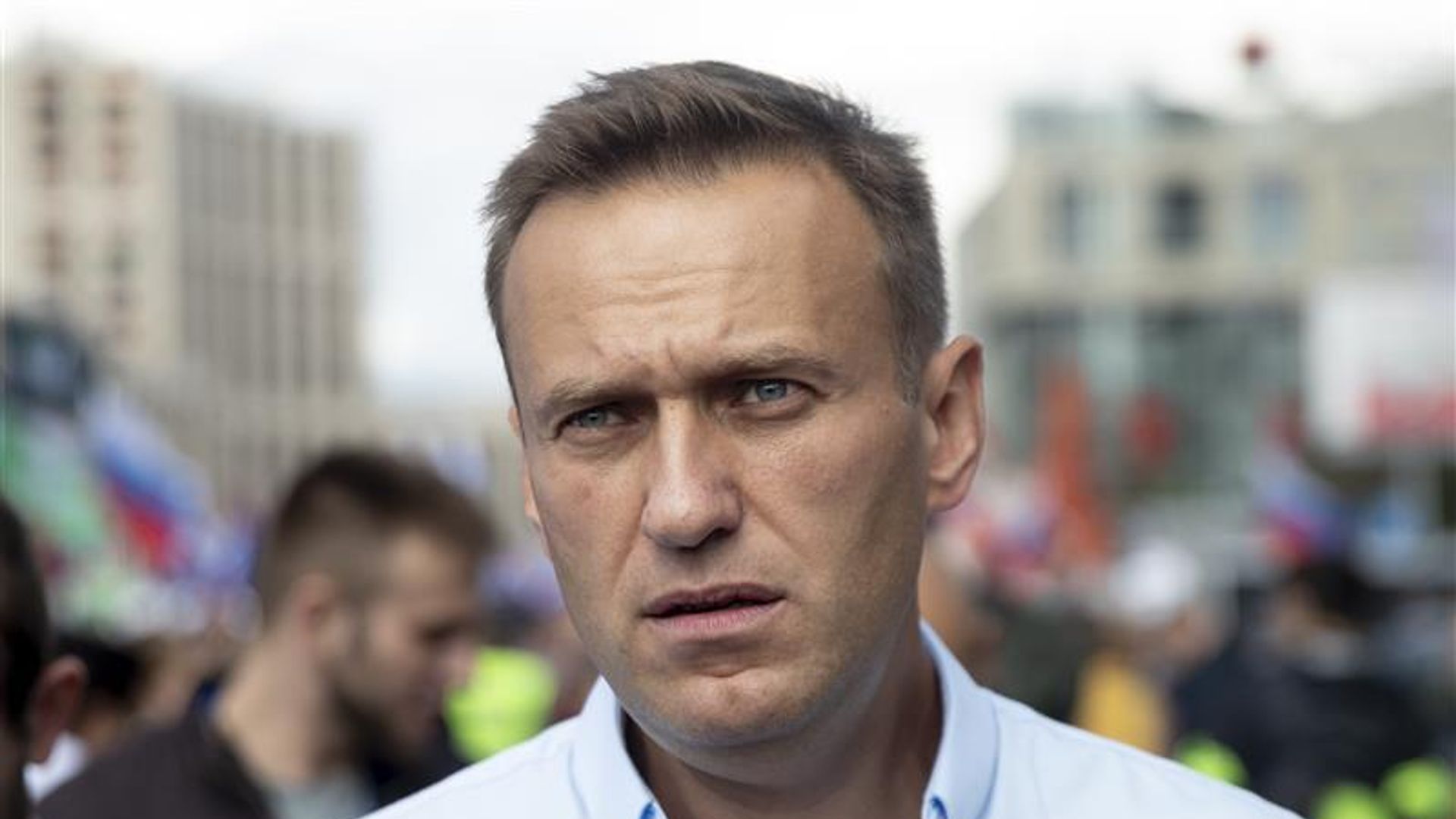
Russian ambassador denies Kremlin used frog poison to kill Navalny
#Russia #Navalny #ambassador #Kremlin #poison #denial #frog poison #assassination
📌 Key Takeaways
- Russian ambassador denies Kremlin involvement in Navalny's death
- Denial specifically addresses allegations of frog poison use
- Statement counters claims of state-sponsored assassination
- Incident highlights ongoing tensions between Russia and critics
📖 Full Retelling
🏷️ Themes
Geopolitics, Assassination allegations
📚 Related People & Topics

Russia
Country in Eastern Europe and North Asia
Russia, or the Russian Federation, is a country in Eastern Europe and North Asia. It is the largest country in the world, spanning eleven time zones and sharing land borders with fourteen countries. With a population of over 140 million, Russia is the most populous country in Europe and the ninth-mo...

Kremlin
Fortified complex in Moscow, Russia
The Moscow Kremlin, commonly known as just the Kremlin, is a fortified complex in Moscow, Russia. Located in the centre of the country's capital city, the Moscow Kremlin comprises five palaces, four cathedrals, and the enclosing Kremlin Wall along with the Kremlin towers. In the complex is the Grand...

Alexei Navalny
Russian opposition leader and activist (1976–2024)
Alexei Anatolyevich Navalny (Russian: Алексей Анатольевич Навальный, IPA: [ɐlʲɪkˈsʲej ɐnɐˈtolʲjɪvʲɪtɕ nɐˈvalʲnɨj]; 4 June 1976 – 16 February 2024) was a Russian opposition leader, anti-corruption activist and political prisoner. He founded the Anti-Corruption Foundation (FBK) in 2011. He was recogni...
Entity Intersection Graph
Connections for Russia:
Mentioned Entities
Deep Analysis
Why It Matters
This denial matters because it addresses one of the most high-profile political assassinations in recent years, directly implicating the Russian state in an international controversy. It affects diplomatic relations between Russia and Western nations that have imposed sanctions over Navalny's death. The statement impacts the families of political prisoners and dissidents who fear similar state-sponsored violence. It also influences global perceptions of Russia's human rights record and its willingness to engage in transnational repression.
Context & Background
- Alexei Navalny was a Russian opposition leader, lawyer, and anti-corruption activist who was poisoned with Novichok nerve agent in August 2020 and later imprisoned
- Navalny died in February 2024 in a Russian penal colony under suspicious circumstances, with many Western governments blaming the Kremlin
- The 'frog poison' reference relates to historical KGB assassination methods using rare toxins from amphibian secretions
- Russia has repeatedly denied involvement in Navalny's poisoning and death despite international investigations pointing to state actors
- Navalny's death occurred amid Russia's war in Ukraine and increasing isolation from Western nations
What Happens Next
International investigations into Navalny's death will likely continue, with possible new sanctions against Russian officials. The Russian government will maintain its denial narrative while suppressing domestic dissent. Navalny's movement may continue through exiled supporters, potentially organizing around upcoming Russian elections. Forensic evidence regarding the exact cause of death may emerge through leaks or international pressure.
Frequently Asked Questions
The denial addresses specific allegations about assassination methods, suggesting investigators have evidence pointing to exotic toxins. Historically, Soviet intelligence used amphibian-derived toxins that leave minimal traces, making them plausible for covert operations. This specific denial indicates the Kremlin is responding to detailed forensic claims circulating internationally.
Russia maintains consistent denial to avoid legal responsibility and additional sanctions. The Kremlin frames Navalny's death as a natural occurrence or Western conspiracy to undermine Russian sovereignty. Denials allow Russia to maintain diplomatic relations with non-aligned nations while challenging Western narratives.
The controversy further isolates Russia from Western democracies and strengthens arguments for maintaining sanctions. It provides moral justification for countries supporting Ukraine to continue opposing Russian aggression. However, Russia's standing with allies like China and Global South nations remains relatively unaffected by human rights concerns.
Multiple independent investigations identified Novichok nerve agent in Navalny's system from the 2020 poisoning. Bellingcat and other outlets traced the assassination team to Russian security services. Medical records and forensic analysis from German laboratories confirmed the chemical weapons use, though Russia disputes these findings.
The International Criminal Court could potentially investigate, though Russia doesn't recognize its jurisdiction. Individual countries may pursue universal jurisdiction cases against specific officials. Magnitsky-style sanctions targeting assets and travel are more likely than criminal prosecutions given Russia's non-cooperation.