
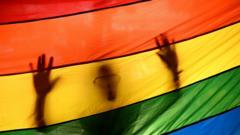
Senegal approves tougher anti-gay law as rights groups raise concerns
#Senegal #anti-gay law #homosexuality criminalization #human rights #LGBTQ discrimination #parliament #penalties #international criticism
📌 Key Takeaways
- Senegal's parliament passed a stricter law criminalizing homosexuality, increasing penalties.
- The new legislation imposes harsher sentences, including up to five years in prison for same-sex acts.
- Human rights organizations have condemned the law, warning it will increase discrimination and violence.
- The move contrasts with global trends toward decriminalization and has sparked international criticism.
📖 Full Retelling
🏷️ Themes
LGBTQ Rights, Legal Reform
📚 Related People & Topics

Senegal
Country in West Africa
Senegal, officially the Republic of Senegal, is the westernmost country in West Africa, situated along the Atlantic Ocean coast. It borders Mauritania to the north, Mali to the east, Guinea to the southeast and Guinea-Bissau to the southwest. Senegal nearly surrounds the Gambia, a country occupying ...
Discrimination against LGBTQ people
Discrimination against LGBTQ people includes discrimination against LGBTQ people as a whole and against specific subgroups: lesbians, gay men, bisexuals, transgender people, queer people, among other sexual and gender minorities.
Entity Intersection Graph
Connections for Senegal:
Mentioned Entities
Deep Analysis
Why It Matters
This development matters because it represents a significant regression in LGBTQ+ rights in Senegal, directly affecting the safety and legal status of sexual minorities. It signals a broader trend of increasing anti-LGBTQ+ legislation in parts of Africa, which could embolden similar moves in neighboring countries. The law also impacts international relations, as Western nations that tie aid to human rights may reconsider their partnerships with Senegal. Human rights organizations and activists within Senegal now face greater risks when advocating for LGBTQ+ protections.
Context & Background
- Senegal has historically criminalized same-sex relations under Article 319 of its Penal Code, with penalties of up to five years in prison.
- The country is predominantly Muslim, and religious leaders often influence public opinion and policy regarding LGBTQ+ issues.
- Previous attempts to strengthen anti-LGBTQ+ laws have been met with both domestic and international criticism, including from organizations like Human Rights Watch and the UN.
What Happens Next
Human rights groups are likely to challenge the law in domestic courts or appeal to regional bodies like the African Court on Human and Peoples' Rights. International donors, particularly from Europe and the US, may review their aid agreements with Senegal. Increased surveillance and arrests of LGBTQ+ individuals could occur, prompting possible refugee flows to more tolerant countries.
Frequently Asked Questions
The law toughens existing penalties for same-sex relations, potentially increasing prison sentences and introducing harsher fines. It may also criminalize advocacy or public support for LGBTQ+ rights, broadening the scope of punishable activities.
Senegal risks diplomatic friction with Western nations that prioritize human rights in foreign policy. It could also impact trade and aid, as some countries may impose sanctions or reduce funding in response.
Based on the article, the law appears to lack exemptions for consensual adult relationships or protections for LGBTQ+ individuals facing violence. It likely reinforces existing stigma and legal vulnerabilities.