

‘Sense of doom’: fear and foreboding over Iran war among London’s divided diaspora
#Iran #London #diaspora #war #fear #division #geopolitics
📌 Key Takeaways
- London's Iranian diaspora expresses fear over potential war with Iran.
- Community members report a 'sense of doom' and heightened anxiety.
- The diaspora is politically divided, complicating collective response.
- Tensions reflect broader geopolitical instability affecting expatriates.
📖 Full Retelling
🏷️ Themes
Geopolitical Tension, Diaspora Anxiety
📚 Related People & Topics

Iran
Country in West Asia
# Iran **Iran**, officially the **Islamic Republic of Iran** and historically known as **Persia**, is a sovereign country situated in West Asia. It is a major regional power, ranking as the 17th-largest country in the world by both land area and population. Combining a rich historical legacy with a...
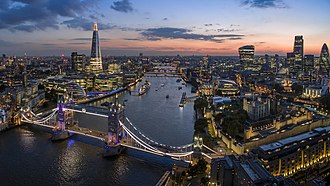
London
Capital of England and the United Kingdom
London is the capital and largest city of both England and the United Kingdom, with a population of 9.1 million people in 2024. Its wider metropolitan area is the largest in Western Europe, with a population of 15.1 million. London stands on the River Thames in southeast England, at the head of a 50...
Entity Intersection Graph
Connections for Iran:
Mentioned Entities
Deep Analysis
Why It Matters
This news matters because it reveals how geopolitical tensions directly impact diaspora communities far from the conflict zone, creating psychological distress and social fractures. It affects Iranian expatriates in London who face divided loyalties, anxiety about family back home, and potential backlash in their host country. The story highlights how international conflicts spill over into multicultural cities, testing community cohesion and mental wellbeing among immigrant populations.
Context & Background
- Iran has been under international sanctions and diplomatic pressure for decades, particularly regarding its nuclear program and regional activities.
- The Iranian diaspora is politically diverse, with divisions between supporters of the Islamic Republic and opposition groups including monarchists, leftists, and secular democrats.
- London hosts one of the largest Iranian communities outside Iran, estimated at over 100,000 people, with significant populations in areas like Kensington and Hammersmith.
- Tensions between Iran and Western powers have escalated recently with attacks on shipping, drone strikes, and assassinations of Iranian nuclear scientists.
- The UK has historically had complex relations with Iran, including the 1953 CIA-MI6 coup and the 2011 storming of the British embassy in Tehran.
What Happens Next
Community tensions may intensify in London with possible protests, counter-protests, and increased security around Iranian cultural centers. British authorities will likely monitor the situation for both community safety and intelligence gathering. If conflict escalates, there could be increased asylum applications from Iranians and heightened diplomatic activity between UK and Iranian officials.
Frequently Asked Questions
The community includes supporters of the current regime alongside various opposition groups who fled Iran after the 1979 revolution or more recently. These divisions reflect decades of political conflict within Iran itself, with different factions maintaining strong positions from abroad.
All Londoners could face increased security measures, potential terrorist threats, economic impacts from oil price volatility, and political debates about UK foreign policy involvement. The city's multicultural fabric might experience broader tensions during international crises.
Community organizations, mental health services, and cultural centers provide support, though resources may be strained. The UK government offers consular assistance to dual nationals, while refugee organizations help those with asylum claims related to political persecution.
Similar patterns occur with many diasporas, including Syrian, Ukrainian, and Afghan communities in Western cities. Common elements include divided loyalties, anxiety about relatives, political activism from abroad, and concerns about discrimination in host countries.