
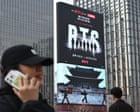
Seoul raises terror alert as it prepares to host BTS comeback concert
#Seoul #terror alert #BTS #comeback concert #security #public safety #K-pop
📌 Key Takeaways
- Seoul has increased its terror alert level in response to security concerns.
- The heightened alert is linked to preparations for an upcoming BTS comeback concert.
- Authorities are implementing measures to ensure public safety during the event.
- The concert is a significant cultural event drawing large international attention.
📖 Full Retelling
🏷️ Themes
Security, Entertainment
📚 Related People & Topics

Seoul
Capital and largest city of South Korea
Seoul, officially Seoul Special Metropolitan City, is the capital and largest city of South Korea, and the largest city in the whole of Korea. The broader Seoul Metropolitan Area, encompassing Seoul, Gyeonggi Province and Incheon, emerged as the world's sixth largest metropolitan economy in 2022, be...

BTS
South Korean boy band
BTS (Korean: 방탄소년단; RR: Bangtan Sonyeondan; lit. 'Bulletproof Boy Scouts'), also known as the Bangtan Boys, is a South Korean boy band formed in 2010. The band consists of Jin, Suga, J-Hope, RM, Jimin, V, and Jung Kook, who co-write or co-produce much of their material.
Entity Intersection Graph
Connections for Seoul:
Mentioned Entities
Deep Analysis
Why It Matters
This news matters because it highlights the intersection of global pop culture and national security concerns. The BTS concert represents a major economic and cultural event for South Korea, potentially attracting hundreds of thousands of international visitors and generating significant revenue. The terror alert escalation affects concert attendees, local residents, and tourism stakeholders, while demonstrating how high-profile entertainment events can become security vulnerabilities. This situation also underscores the ongoing security challenges South Korea faces from regional threats despite its global cultural influence.
Context & Background
- South Korea has maintained elevated security levels since the 2010 Cheonan sinking and Yeonpyeong shelling incidents by North Korea
- BTS (Bangtan Sonyeondan) is South Korea's most successful musical export, with a global fanbase (ARMY) numbering in the tens of millions
- Seoul has previously hosted major BTS concerts at venues like Jamsil Olympic Stadium and Gocheok Sky Dome with extensive security measures
- South Korea's National Intelligence Service regularly monitors potential threats from North Korea and other hostile actors during high-profile events
- K-pop concerts have become targets for online threats and harassment campaigns from various groups opposed to Korean cultural influence
What Happens Next
Security forces will implement enhanced screening at airports, concert venues, and tourist areas in Seoul through the concert period. Intelligence agencies will monitor for specific threats while coordinating with international partners. Post-concert analysis will evaluate security protocols for future large-scale events. The incident may prompt discussions about balancing cultural diplomacy with security requirements for mega-events.
Frequently Asked Questions
Mass gatherings of international celebrities attract global attention that can make them potential targets for various groups seeking publicity or political statements. The concentration of thousands of fans in confined spaces creates security vulnerabilities that authorities must proactively address.
Authorities are likely concerned about potential attacks from North Korean sympathizers, anti-Korean cultural groups, or international terrorist organizations seeking high-profile targets. The alert suggests intelligence indicating elevated risk levels requiring precautionary measures.
Attendees should expect enhanced security screenings, bag checks, and possible restrictions on certain items at venues. Arrival times may need to be earlier, and identification requirements could be stricter than usual for event entry.
Yes, previous large-scale K-pop events have prompted increased security measures, though full terror alert elevations are less common. Blackpink concerts and K-pop award shows have previously seen heightened security due to threat assessments.
The security response demonstrates how BTS events have reached geopolitical significance, requiring national-level security considerations. Their concerts are treated as major international events comparable to political summits or global sporting competitions in terms of security planning.