

Small business owners doubt they’ll see refunds after supreme court invalidates Trump’s tariffs
#Supreme Court #tariffs #small business #refunds #Trump administration #trade policy #legal decision
📌 Key Takeaways
- Supreme Court invalidated tariffs imposed during Trump administration
- Small business owners are skeptical about receiving refunds for paid tariffs
- Legal ruling creates uncertainty over reimbursement processes
- Decision impacts businesses affected by previous trade policies
📖 Full Retelling
🏷️ Themes
Trade Policy, Legal Ruling
📚 Related People & Topics
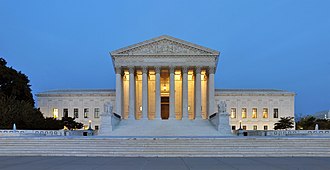
Supreme court
Highest court in a jurisdiction
In most legal jurisdictions, a supreme court, also known as a court of last resort, apex court, high (or final) court of appeal, and court of final appeal, is the highest court within the hierarchy of courts. Broadly speaking, the decisions of a supreme court are binding on all other courts in a nat...
Presidency of Donald Trump
Index of articles associated with the same name
Presidency of Donald Trump may refer to:
Entity Intersection Graph
Connections for Supreme court:
Mentioned Entities
Deep Analysis
Why It Matters
This ruling matters because it affects thousands of small businesses that paid billions in tariffs during the Trump administration, potentially impacting their financial recovery and operational stability. It highlights the tension between executive trade authority and congressional oversight, setting important precedents for future trade policy. The decision particularly affects import-dependent small businesses in manufacturing, retail, and agriculture sectors who bore the brunt of these tariffs.
Context & Background
- The Trump administration imposed tariffs on over $300 billion worth of Chinese goods between 2018-2020 using Section 301 of the Trade Act of 1974
- Thousands of U.S. businesses paid these tariffs, with small businesses disproportionately affected due to limited resources to absorb additional costs
- Legal challenges argued the tariffs exceeded presidential authority since they weren't tied to national security concerns under Section 232
- Previous court rulings had been mixed, with some upholding the tariffs while others questioned their constitutional basis
What Happens Next
Small businesses will need to file individual claims for refunds through U.S. Customs and Border Protection, a process likely to face bureaucratic delays. Congress may consider legislation to clarify presidential trade authority to prevent similar conflicts. Additional lawsuits may emerge seeking clarification on refund procedures and timelines, with the Treasury Department expected to issue guidance within 60-90 days.
Frequently Asked Questions
The Court invalidated tariffs imposed under Section 301 of the Trade Act on Chinese goods, particularly those implemented in 2018-2019 covering approximately $300 billion worth of imports including electronics, machinery, and consumer goods.
Estimates suggest small businesses paid between $40-60 billion in these tariffs, though recovery amounts will vary by individual import volumes and specific tariff rates applied to their goods.
The Court ruled the tariffs exceeded presidential authority because they weren't implemented under national security provisions, requiring congressional approval for such broad trade measures under the Constitution's separation of powers.
While the ruling addresses past tariffs, it may influence future trade negotiations by clarifying limits on executive trade actions and potentially encouraging more congressional involvement in trade policy decisions.
Refund processing could take 6-18 months due to administrative complexities, requiring businesses to provide detailed import documentation and navigate Customs bureaucracy for each claim.