
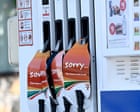
Small petrol stations urge Albanese government to crack down on fuel wholesalers as operators run dry
📖 Full Retelling
📚 Related People & Topics

Albanese government
Government of Australia since 2022
The Albanese government is the sitting federal government of Australia, led by Prime Minister Anthony Albanese of the Labor Party. The Albanese government was sworn in on 23 May 2022 by the governor-general of Australia, David Hurley. The party governed with a two-to-three seat majority in the House...
Entity Intersection Graph
Connections for Albanese government:
View full profileMentioned Entities
Deep Analysis
Why It Matters
This news matters because it highlights a critical supply chain issue affecting small businesses and consumers nationwide. Small petrol stations serve as essential fuel providers in regional and rural areas where major chains may not operate, making their survival crucial for local economies and transportation. If these independent operators continue to face supply shortages, it could lead to reduced competition, higher fuel prices, and potential fuel deserts in remote communities. The situation also exposes vulnerabilities in Australia's fuel distribution system that could have broader economic implications.
Context & Background
- Australia has approximately 6,500 service stations, with independents making up about 40% of the market but facing increasing pressure from major chains
- Fuel wholesalers in Australia operate under a voluntary industry code that has been criticized for lacking enforcement mechanisms and transparency
- Previous government reviews, including the 2019 ACCC report on the petroleum market, identified concerns about wholesale pricing and supply arrangements disadvantaging smaller retailers
What Happens Next
The Albanese government will likely face pressure to respond within weeks, potentially through regulatory intervention or emergency measures. Industry groups may escalate their campaign with public demonstrations or coordinated lobbying efforts. If supply issues worsen, we could see temporary fuel rationing in affected regions and increased scrutiny of Australia's strategic fuel reserves ahead of the summer driving season.
Frequently Asked Questions
Small operators claim fuel wholesalers are prioritizing supply to major chains and company-owned stations, leaving independents with inadequate allocations. Some wholesalers have reportedly reduced or canceled regular supply contracts without sufficient notice.
They're urging mandatory supply obligations for wholesalers, greater transparency in allocation decisions, and stronger enforcement of existing industry codes. Some are calling for temporary emergency powers to ensure equitable distribution during shortages.
Consumers could face reduced access to fuel in regional areas, potentially higher prices due to decreased competition, and longer travel distances to find operating service stations. Businesses relying on transportation may experience increased operational costs.
Yes, this situation highlights vulnerabilities in Australia's fuel supply chain, particularly given the country's reliance on imports for about 90% of its liquid fuel needs. It raises questions about distribution resilience during disruptions.
Wholesalers purchase fuel from refineries or import terminals and sell to retailers. Retailers then sell to consumers. The current dispute centers on whether wholesalers are fairly distributing limited supplies between large chains and independent retailers.