

South African photographer Zanele Muholi: ‘My mother worked for a white family. I remember the pools I wasn’t allowed to swim in’
#Zanele Muholi #South Africa #apartheid #photography #racial segregation #social justice #identity #activism
📌 Key Takeaways
- Zanele Muholi's mother worked for a white family during apartheid, exposing them to racial segregation.
- Muholi recalls personal experiences of exclusion, such as being barred from swimming pools reserved for white people.
- These early experiences of discrimination deeply influenced Muholi's artistic focus on identity and social justice.
- Muholi uses photography to document and challenge historical and ongoing racial inequalities in South Africa.
📖 Full Retelling
🏷️ Themes
Apartheid Legacy, Artistic Activism
📚 Related People & Topics
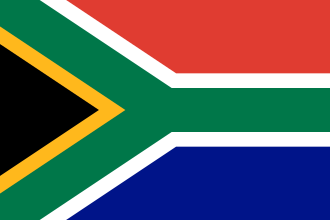
South Africa
Country in Southern Africa
South Africa, officially the Republic of South Africa (RSA), is the southernmost country in Africa. Its nine provinces are bounded to the south by 2,798 kilometres (1,739 miles) of coastline that stretches along the South Atlantic and Indian Ocean; to the north by the neighbouring countries of Namib...

Zanele Muholi
South African artist and visual activist (born 1972)
Zanele Muholi (born 1972) is a South African artist and visual activist working in photography, video, and installation. Muholi's work focuses on race, gender and sexuality with a body of work that dates back to the early 2000s, documenting and celebrating the lives of South Africa's Black lesbian,...
Entity Intersection Graph
Connections for South Africa:
Mentioned Entities
Deep Analysis
Why It Matters
This interview with Zanele Muholi matters because it connects personal experiences of apartheid-era racial segregation to contemporary artistic practice, highlighting how systemic racism shapes identity and memory. It affects South Africans who lived through apartheid, the global LGBTQ+ community through Muholi's advocacy, and art audiences worldwide who engage with post-colonial narratives. The testimony serves as both historical record and inspiration for marginalized communities seeking representation, while challenging global audiences to confront ongoing legacies of discrimination through artistic expression.
Context & Background
- Zanele Muholi is a renowned South African visual activist and photographer born in 1972, known for documenting Black LGBTQ+ experiences in post-apartheid South Africa
- Apartheid (1948-1994) was South Africa's institutionalized system of racial segregation that restricted where non-white people could live, work, and access public facilities like swimming pools
- Muholi's 'Faces and Phases' series (2006-present) documents Black lesbian and transgender individuals, addressing both historical erasure and contemporary violence against LGBTQ+ communities
- The 'domestic worker' reference reflects how apartheid created economic dependencies where Black women often worked as maids in white households while facing daily humiliations
- South Africa's post-apartheid constitution (1996) was the first globally to explicitly prohibit discrimination based on sexual orientation
What Happens Next
Muholi will likely continue international exhibitions that amplify Black queer visibility while mentoring emerging African photographers through their Muholi Art Project. Their personal testimony may inspire renewed academic examination of domestic labor under apartheid and contemporary artistic responses to systemic racism. Upcoming museum shows will probably incorporate these biographical elements to contextualize their photographic work for global audiences.
Frequently Asked Questions
Muholi uses 'visual activist' to emphasize that their work intentionally challenges systemic oppression and creates social change, not merely documenting subjects. This framing connects artistic practice directly to political advocacy for Black LGBTQ+ communities facing violence and erasure in South Africa and globally.
The swimming pool memory illustrates how apartheid's spatial segregation shaped Muholi's understanding of exclusion and belonging, themes central to their photography. This personal experience informs their focus on creating visibility for those marginalized by race, gender, and sexuality in post-apartheid South Africa.
This documentation counters historical erasure and contemporary violence against queer Black South Africans, creating an archive where none existed. By portraying subjects with dignity and complexity, Muholi challenges both apartheid-era dehumanization and current homophobia while asserting LGBTQ+ identities as integral to African societies.
While constitutional protections enabled Muholi's work, they operate within persistent economic inequalities and homophobic violence. Their art navigates this contradiction by celebrating queer Black existence while critiquing unfinished liberation, using artistic freedom unavailable during apartheid to examine its ongoing legacies.