
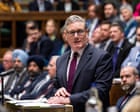
Starmer plans to ease impact of immigration policy changes after backlash from Labour MPs
#Starmer #immigration policy #Labour MPs #backlash #policy adjustments
📌 Key Takeaways
- Keir Starmer is adjusting immigration policy changes due to internal party criticism.
- Labour MPs expressed backlash against proposed immigration measures.
- The adjustments aim to mitigate negative impacts of the policy changes.
- The move reflects Starmer's responsiveness to party concerns on immigration.
📖 Full Retelling
🏷️ Themes
Immigration Policy, Labour Party Politics
📚 Related People & Topics
List of Labour Party (UK) MPs
This is a list of United Kingdom Labour Party MPs. It includes all members of Parliament (MPs) elected to the House of Commons representing the Labour Party from 1900 to 1923 and since 1992. Members of the Scottish Parliament, the Senedd or the European Parliament are not listed.

Keir Starmer
Prime Minister of the United Kingdom since 2024
# Sir Keir Starmer **Sir Keir Rodney Starmer** (born 2 September 1962) is a British politician and lawyer serving as Prime Minister of the United Kingdom since July 2024. A member of the Labour Party, he has served as Leader of the Labour Party since 2020 and has been the Member of Parliament (MP) ...
Entity Intersection Graph
Connections for List of Labour Party (UK) MPs:
Mentioned Entities
Deep Analysis
Why It Matters
This news matters because it reveals internal tensions within the Labour Party over immigration policy, which could affect party unity and electoral strategy. It impacts Labour MPs who are facing pressure from constituents on immigration issues, immigrant communities concerned about policy changes, and the broader political landscape as Labour positions itself for potential governance. The outcome could influence Labour's credibility on managing migration while maintaining progressive values, affecting both domestic politics and international perceptions of UK immigration policy.
Context & Background
- Labour has historically struggled with immigration policy, balancing progressive values with public concerns about border control.
- Keir Starmer has been repositioning Labour as more centrist on issues like immigration to appeal to broader voter bases.
- The UK has seen significant immigration debates post-Brexit, with both major parties facing pressure to address net migration numbers.
- Labour MPs often represent diverse constituencies with varying views on immigration, creating internal party tensions.
- Previous Labour leaders like Jeremy Corbyn faced criticism for perceived weak immigration stances, influencing Starmer's approach.
What Happens Next
Starmer will likely propose moderated immigration policies to address MP concerns while maintaining a centrist stance. Internal party discussions may intensify ahead of the next election, with potential policy announcements in coming months. If Labour gains power, these debates could shape actual legislation, affecting visa rules, asylum processes, and integration programs.
Frequently Asked Questions
Many Labour MPs represent constituencies with strong immigrant communities or progressive voters who oppose restrictive policies. They fear alienating their base and contradicting Labour's traditional values of inclusivity and internationalism.
Starmer may propose compromises like focusing on skilled migration reforms while protecting refugee rights. He could also emphasize economic benefits of immigration to justify policy adjustments to skeptical MPs.
Labour's internal debate could lead to more nuanced immigration proposals, contrasting with Conservative approaches. If Labour wins the next election, policies may emphasize integration and economic needs over sheer reduction targets.
Internal unity on immigration could strengthen Labour's appeal to centrist voters, but divisions risk alienating progressive supporters. Starmer's handling will test his leadership and party cohesion ahead of elections.
Potential changes include visa processes for workers, asylum system reforms, and family reunion rules. Starmer may prioritize areas with broad support, like addressing backlogs or skilled worker shortages.