
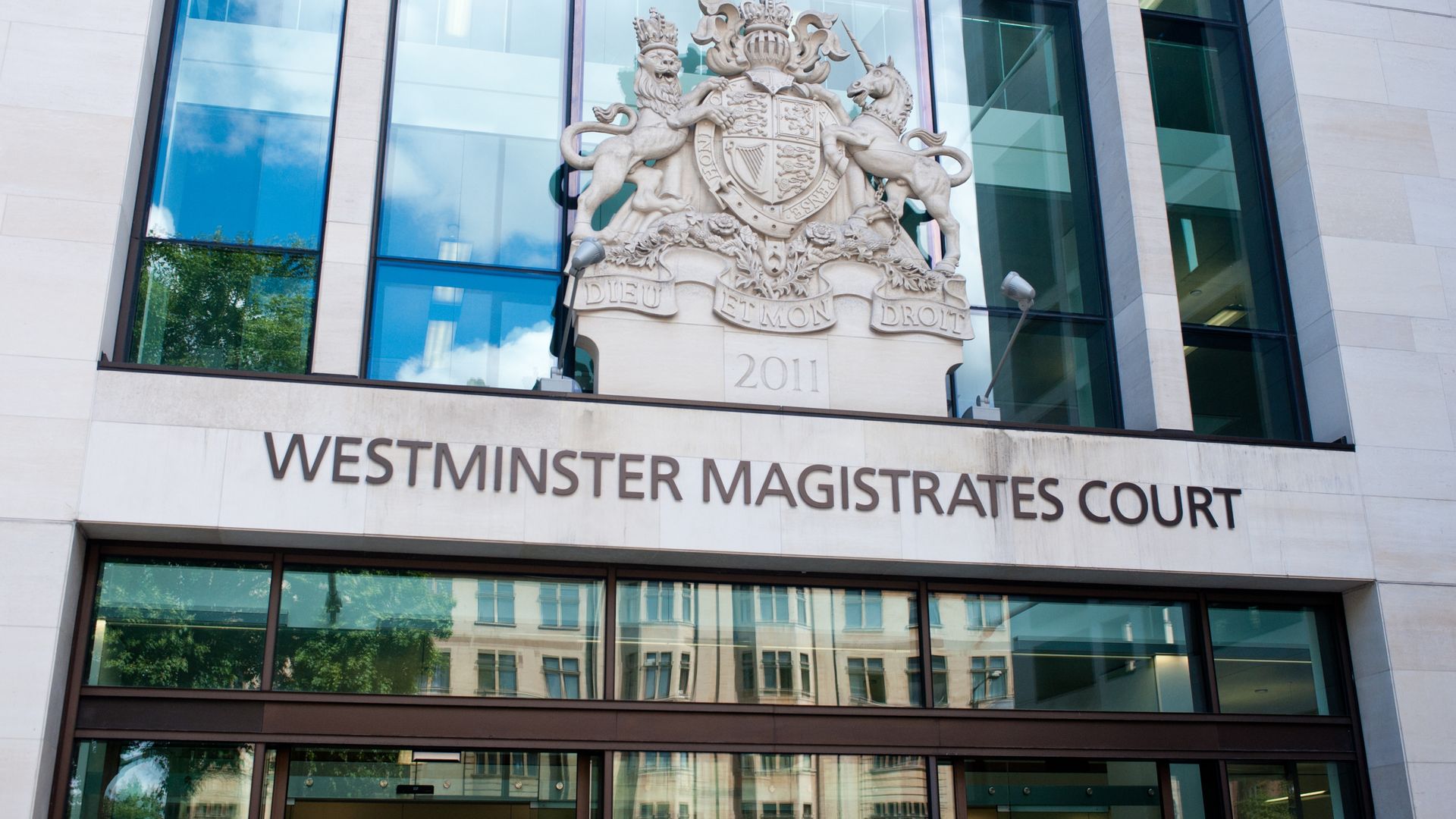
Syrian charged with crimes against humanity in UK first
#Crimes Against Humanity #UK Prosecution #Syrian Conflict #Universal Jurisdiction #Human Rights #International Law #Accountability #Legal Precedent
📌 Key Takeaways
- First prosecution of its kind in the UK for crimes against humanity
- Syrian national charged with murder as a crime against humanity
- Part of efforts to hold perpetrators accountable for Syrian conflict atrocities
- Demonstrates UK's commitment to universal jurisdiction principles
📖 Full Retelling
🏷️ Themes
International Justice, Human Rights, Legal Precedent
📚 Related People & Topics

Crimes against humanity
Concept in international law
Crimes against humanity are certain crimes committed as part of a large-scale attack against civilians. Unlike war crimes, crimes against humanity can be committed during both peace and war and against a state's own nationals as well as foreign nationals. Together with war crimes, genocide, and the ...

Human rights
Fundamental rights belonging to all humans
Human rights are universally recognized moral principles or norms that establish standards of human behavior and are often protected by both national and international laws. These rights are considered inherent and inalienable, meaning they belong to every individual simply by virtue of being human,...
Entity Intersection Graph
No entity connections available yet for this article.
Mentioned Entities
Deep Analysis
Why It Matters
This landmark case establishes a significant precedent for international justice, showing that perpetrators of atrocities cannot escape accountability by fleeing to other countries. It sends a strong message to human rights violators globally that they may face prosecution regardless of where the crimes were committed. This development also demonstrates the UK's commitment to upholding international law and universal jurisdiction principles, potentially encouraging other nations to follow suit in prosecuting international crimes.
Context & Background
- The Syrian conflict began in 2011 and has resulted in hundreds of thousands of deaths and millions displaced
- Universal jurisdiction is a principle that allows countries to prosecute certain grave crimes regardless of where they occurred or the nationality of the perpetrator or victim
- The International Criminal Court (ICC) does not have jurisdiction over Syria as the country is not a member state and the UN Security Council has not referred the situation
- Several countries, including Germany, Sweden, and France, have previously prosecuted Syrian officials for crimes committed during the conflict
- The UK has previously used universal jurisdiction for cases like the prosecution of former Chilean dictator Augusto Pinochet
What Happens Next
The suspect will likely face a preliminary hearing in the coming months to determine if there is sufficient evidence for a full trial. If the case proceeds to trial, it could set important legal precedents for how universal jurisdiction is applied in cases of international crimes. The prosecution may seek additional evidence and potentially other witnesses to build their case, which could encourage more victims to come forward and potentially lead to further charges against other individuals involved in Syrian atrocities.
Frequently Asked Questions
Universal jurisdiction is a legal principle that allows countries to prosecute certain grave international crimes regardless of where they occurred or the nationality of the perpetrator or victim. It applies to crimes considered so serious they affect the international community as a whole.
This case is significant because it's the first time the UK has used universal jurisdiction to prosecute crimes against humanity related to Syria. It demonstrates that perpetrators cannot escape accountability by fleeing to other countries and sets a precedent for other nations to follow.
The suspect is accused of murder as a crime against humanity, along with allegations of torture and other inhumane acts as part of systematic attacks against civilian populations during the Syrian conflict.
This case complements other international efforts, including prosecutions in countries like Germany, Sweden, and France. However, it differs from cases at the ICC since Syria is not a member state and the UN Security Council has not referred the situation.
The prosecution may face challenges related to gathering evidence from a conflict zone, ensuring witness protection, and navigating complex legal arguments about jurisdiction. There may also be diplomatic considerations given the ongoing Syrian conflict and international relations.