
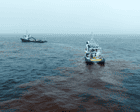
Testing the waters: can pumping chemicals into the ocean help stop global heating?
#geoengineering #ocean alkalinity #carbon dioxide removal #climate change #marine ecosystems #CO2 absorption #field tests #global heating
📌 Key Takeaways
- Scientists are exploring ocean alkalinity enhancement as a geoengineering method to combat climate change.
- The process involves adding alkaline substances to seawater to increase its CO2 absorption capacity.
- Research is in early stages, with field tests assessing ecological impacts and effectiveness.
- Proponents argue it could help meet climate goals, but critics warn of unknown risks to marine ecosystems.
- The debate highlights tensions between technological solutions and natural conservation approaches.
📖 Full Retelling
🏷️ Themes
Climate Engineering, Ocean Science
Entity Intersection Graph
No entity connections available yet for this article.
Deep Analysis
Why It Matters
This news matters because it explores a potentially revolutionary approach to climate change mitigation that could affect global ecosystems, coastal communities, and international climate policy. If successful, ocean-based geoengineering could provide a critical tool to buy time for decarbonization efforts, but it also raises significant environmental risks and ethical questions about large-scale planetary manipulation. The research affects climate scientists, policymakers, coastal industries, and all nations vulnerable to climate change impacts.
Context & Background
- Geoengineering approaches to climate change have been debated for decades, with proposals ranging from solar radiation management to carbon dioxide removal
- Ocean-based climate interventions build on natural processes where oceans already absorb about 30% of human-caused CO2 emissions
- Previous experiments with ocean fertilization (adding iron to stimulate phytoplankton growth) showed mixed results and raised concerns about ecosystem impacts
- The 2015 Paris Agreement established global temperature goals but current emissions reductions are insufficient to meet these targets
- International governance frameworks for geoengineering remain underdeveloped, with the London Protocol addressing ocean dumping but not specifically designed for climate interventions
What Happens Next
Research teams will likely conduct controlled small-scale experiments to assess efficacy and environmental impacts, with results published in scientific journals within 1-2 years. International bodies like the UN and IPCC will develop position papers on ocean geoengineering governance by 2025. Pilot projects may emerge in selected coastal regions by 2026-2028 if early results are promising, though widespread implementation would require international consensus and regulatory frameworks.
Frequently Asked Questions
Researchers are exploring various approaches including alkaline substances like calcium hydroxide to enhance ocean carbon absorption, iron fertilization to stimulate phytoplankton growth, and other minerals that could increase ocean alkalinity and CO2 sequestration capacity.
Potential risks include disruption of marine ecosystems, unintended consequences for ocean chemistry and biodiversity, possible oxygen depletion in some areas, and uncertain long-term effects on marine food webs and fisheries that billions depend on for nutrition.
Ocean interventions would not replace emissions reductions but could potentially work alongside them as a temporary measure to slow warming while decarbonization accelerates. They might help address legacy emissions and provide additional time for energy transitions.
No single governing body currently has authority over such decisions, creating a governance gap. International consensus through UN frameworks would likely be needed, but questions remain about which nations or organizations should have decision-making power over global interventions.
Cost estimates vary widely depending on the approach, but some proposals suggest ocean interventions could be relatively inexpensive compared to massive infrastructure changes. However, full cost accounting must include environmental monitoring, governance structures, and potential liability for unintended consequences.