
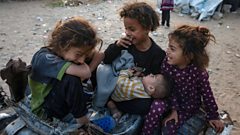
The Global Story: How does war affect a child’s brain?
#war #children #brain development #trauma #PTSD #mental health #conflict zones
📌 Key Takeaways
- War exposure can cause long-term psychological trauma in children.
- Children in conflict zones often develop anxiety, depression, and PTSD.
- Brain development may be impaired due to chronic stress and fear.
- Support systems and interventions are crucial for mitigating these effects.
🏷️ Themes
Child Psychology, War Impact
📚 Related People & Topics
Post-traumatic stress disorder
Mental disorder associated with trauma
Post-traumatic stress disorder (PTSD) is a mental disorder that develops from experiencing a traumatic event, such as sexual assault, domestic violence, child abuse, warfare and its associated traumas, natural disaster, bereavement, traffic collision, or other threats on a person's life or well-bein...
Entity Intersection Graph
Connections for Post-traumatic stress disorder:
Mentioned Entities
Deep Analysis
Why It Matters
This news matters because it addresses the profound and lasting psychological impact of war on children, who are among the most vulnerable populations in conflict zones. Understanding these effects is crucial for developing effective mental health interventions and support systems for affected children. The findings have implications for humanitarian organizations, policymakers, educators, and healthcare providers working in war-torn regions. This research also highlights the long-term societal consequences when generations of children experience trauma, potentially affecting future social stability and development.
Context & Background
- Research shows that exposure to violence and trauma during childhood can lead to developmental delays, learning difficulties, and emotional regulation problems.
- Previous studies on war-affected children have documented high rates of PTSD, depression, anxiety disorders, and attachment issues that can persist into adulthood.
- The United Nations estimates that over 400 million children live in conflict zones worldwide, with many experiencing direct exposure to violence.
- Neuroscience research has demonstrated that chronic stress and trauma can physically alter brain structure and function, particularly in regions responsible for emotion regulation and memory.
- Historical conflicts like those in Syria, Ukraine, Gaza, and various African nations have created generations of children exposed to war trauma.
- The concept of 'toxic stress' describes how prolonged adversity without adequate support can disrupt brain architecture and other organ systems.
What Happens Next
Increased research funding will likely flow toward understanding neurobiological mechanisms of war trauma in children and developing targeted interventions. Humanitarian organizations will incorporate these findings into their child protection programs, potentially leading to new trauma-informed care models. Governments and international bodies may develop new policies for mental health support in conflict zones, with potential UN resolutions addressing children's psychological wellbeing in war. We can expect more longitudinal studies tracking war-affected children into adulthood to understand long-term outcomes.
Frequently Asked Questions
Research shows war exposure can shrink the hippocampus (affecting memory), enlarge the amygdala (increasing fear responses), and reduce prefrontal cortex development (impairing decision-making). These changes correlate with increased anxiety, hypervigilance, and difficulty regulating emotions that can persist for years after the conflict ends.
Yes, with proper intervention, children's brains show remarkable neuroplasticity. Trauma-focused therapies, stable environments, and strong caregiver support can help reverse some neurological changes. Early intervention is crucial, as younger brains are more adaptable but also more vulnerable to lasting damage without support.
War trauma often involves multiple, prolonged exposures including loss of home, separation from family, witnessing violence, and constant threat. Unlike single-event traumas, war creates chronic stress with limited escape, often compounded by displacement, poverty, and disrupted education, creating unique challenges for recovery.
Evidence supports trauma-focused cognitive behavioral therapy, school-based psychosocial programs, and caregiver-supported interventions. Creating safe spaces, re-establishing routines, and community-based approaches that respect cultural contexts show particular effectiveness. Medication may help severe cases but isn't a standalone solution.
Younger children (under 5) are particularly vulnerable as war disrupts critical brain development periods, potentially causing lifelong impacts. Adolescents may show more externalizing behaviors like aggression, while younger children often exhibit regression, anxiety, or somatic symptoms. The developmental stage when trauma occurs influences both symptoms and recovery approaches.
When large numbers of children experience war trauma, societies may face increased mental health burdens, reduced educational attainment, and economic productivity losses. There's evidence linking childhood war exposure to increased risk of future violence, substance abuse, and intergenerational trauma transmission, creating cycles that can persist for decades.