
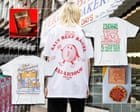
‘The way the world is, something daft is appealing’ – why everything from pizzas to podcasts has a cartoon character on it
#cartoon characters #branding #nostalgia #marketing #consumer appeal #podcasts #pizzas
📌 Key Takeaways
- Cartoon characters are increasingly used on diverse products like pizzas and podcasts to attract consumers.
- This trend is driven by a desire for lighthearted, whimsical content in a challenging world.
- Brands leverage nostalgia and relatability through familiar animated figures to enhance engagement.
- The strategy taps into a cultural shift towards playful, accessible marketing across industries.
📖 Full Retelling
🏷️ Themes
Marketing Trends, Consumer Psychology
Entity Intersection Graph
No entity connections available yet for this article.
Deep Analysis
Why It Matters
This trend matters because it reflects how brands are adapting to consumer psychology in an increasingly stressful digital age, where playful, nostalgic visuals provide emotional relief and connection. It affects marketing professionals, content creators, and product designers who must understand visual communication strategies to remain competitive. The phenomenon also impacts consumer behavior, as these cartoon characters influence purchasing decisions and brand loyalty across generations.
Context & Background
- Cartoon characters in advertising date back to early 20th century mascots like Tony the Tiger (1951) and the Michelin Man (1898), establishing brand recognition through friendly visuals.
- The rise of digital media and social platforms has accelerated visual communication, making simple, shareable imagery more valuable than ever before.
- Psychological research shows that anthropomorphism (giving human traits to objects) increases emotional attachment and trust in products and brands.
- The nostalgia economy has grown significantly, with millennials and Gen Z showing strong preference for retro aesthetics and familiar childhood references.
What Happens Next
Expect continued expansion of cartoon branding into new sectors like fintech and healthcare as companies seek to humanize digital services. We'll likely see more AI-generated cartoon mascots tailored to specific demographics, and potential backlash as oversaturation leads to consumer fatigue with 'cute-washing' tactics. Brands may begin conducting more research into the neurological impact of different cartoon styles on purchasing behavior.
Frequently Asked Questions
Cartoon characters simplify complex brand messages into memorable visuals that transcend language barriers. They trigger positive emotional responses and nostalgia while creating consistent brand identity across multiple platforms and products.
While cartoons have universal appeal, different generations respond to different styles. Millennials and Gen Z often prefer retro or ironic cartoons, while younger audiences respond to bright, simple characters. The trend's success lies in its adaptability across demographics.
During periods of uncertainty or stress, consumers gravitate toward comforting, familiar visuals. Cartoon characters provide emotional relief from complex world events and digital overload, making them particularly effective in today's anxious climate.
Yes, oversaturation can lead to consumer skepticism about authenticity, especially if cartoons seem disconnected from actual product quality. Some audiences may perceive excessive cuteness as infantilizing or manipulative, particularly in serious industries.
Digital platforms demand instantly recognizable visuals that work at small sizes and load quickly. Cartoons translate perfectly to social media icons, app interfaces, and digital ads, while also being easily animated for video content and interactive experiences.