
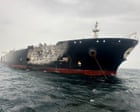
‘There’s no safe place here’: Kuwaiti tanker hit by Iranian drone attack in Dubai port
📖 Full Retelling
📚 Related People & Topics

Persian Gulf
Arm of the Indian Ocean in West Asia
The Persian Gulf, sometimes called the Arabian Gulf, is a mediterranean sea in West Asia. The body of water is an extension of the Arabian Sea and the larger Indian Ocean located between the Arabian Peninsula and Iran (Persia). It is connected to the Gulf of Oman in the east by the Strait of Hormuz.
Entity Intersection Graph
Connections for Persian Gulf:
Mentioned Entities
Deep Analysis
Why It Matters
This attack represents a significant escalation in regional maritime security threats, directly impacting global energy markets and shipping routes. It affects oil-exporting nations like Kuwait, international shipping companies operating in the Persian Gulf, and global consumers who rely on stable energy supplies. The incident demonstrates how regional conflicts can disrupt critical trade corridors, potentially increasing insurance costs and forcing rerouting of vessels. This undermines confidence in port security even in major commercial hubs like Dubai.
Context & Background
- The Persian Gulf has been a flashpoint for maritime attacks since 2019, with numerous tanker incidents linked to regional tensions
- Iran has previously used drone and missile attacks against shipping targets, often in retaliation for perceived threats or as geopolitical leverage
- Dubai's Jebel Ali port is one of the world's busiest container ports and a critical hub for Middle Eastern trade
- Kuwait is a major OPEC oil producer whose exports primarily transit through the Persian Gulf
- The U.S. maintains a naval presence in the region specifically to protect shipping lanes from such attacks
What Happens Next
Expect increased naval patrols by regional and international forces in the coming weeks, particularly around key chokepoints like the Strait of Hormuz. Insurance premiums for vessels operating in the Persian Gulf will likely rise immediately. Diplomatic protests will be filed through UN channels, and there may be calls for enhanced port security measures at commercial hubs. Further retaliatory actions cannot be ruled out if tensions continue to escalate.
Frequently Asked Questions
Iran likely targeted the vessel as a message to regional rivals and international powers, demonstrating its capability to strike even in heavily guarded commercial ports. Such attacks are often symbolic acts of coercion rather than attempts to cause maximum damage.
The attack will likely cause temporary price spikes due to supply concerns, though markets may stabilize if no major disruptions occur. Persistent attacks could lead to longer-term price increases as risk premiums are factored into shipping costs.
Despite advanced security systems, commercial ports prioritize efficient cargo movement over military-grade defense. Drones present particular challenges as they can evade traditional radar systems and approach targets from unexpected angles.
Attacking civilian commercial vessels violates multiple UN conventions and customary international law regarding freedom of navigation. Such acts could be considered acts of aggression under the UN Charter if state sponsorship is proven.
Vessels rely on a combination of national naval patrols, private security teams, and international monitoring systems. The U.S.-led Combined Maritime Forces specifically patrol the region, but cannot provide comprehensive protection to all commercial traffic.