
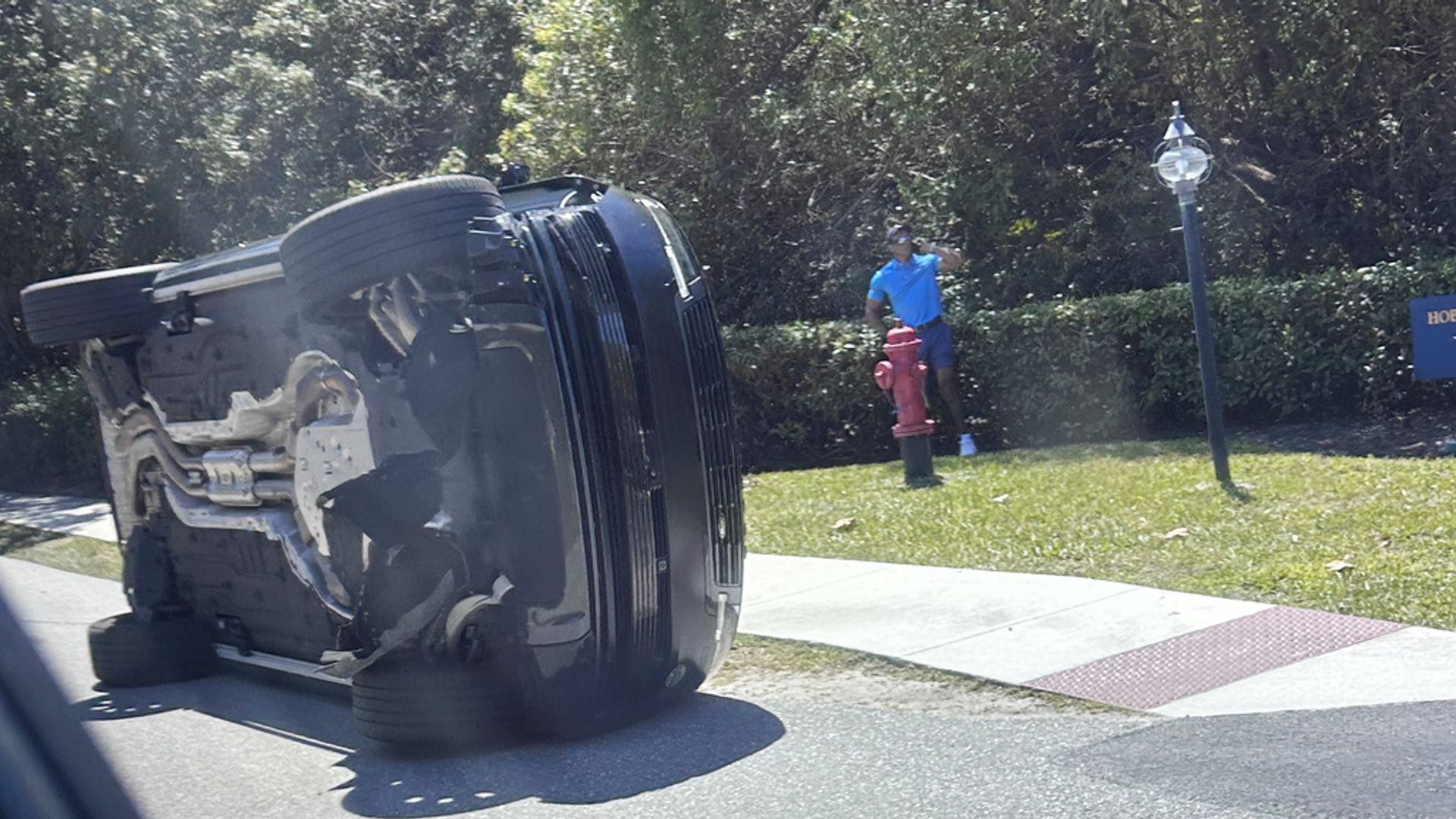
Tiger Woods had pills in his pocket and bloodshot eyes after crash, report says
📖 Full Retelling
📚 Related People & Topics

Tiger Woods
American professional golfer (born 1975)
Eldrick Tont "Tiger" Woods (born December 30, 1975) is an American professional golfer. He is tied for first in PGA Tour wins, ranks second in men's major championships, and holds numerous golf records. Woods is widely regarded as one of the greatest golfers of all time and is one of the most famous...
Entity Intersection Graph
Connections for Tiger Woods:
Mentioned Entities
Deep Analysis
Why It Matters
This news is important because it raises questions about the circumstances surrounding Tiger Woods' crash, potentially impacting his public image and legacy as a sports icon. It affects Woods personally, his family, fans, sponsors, and the broader sports community, as it may influence his ability to compete or engage in public activities. The details could also have legal or insurance implications, and they highlight ongoing concerns about athlete health and substance use.
Context & Background
- Tiger Woods is a legendary golfer with 15 major championship wins, widely regarded as one of the greatest athletes of all time.
- He has faced previous controversies, including a 2017 DUI arrest where he was found with multiple drugs in his system, leading to rehabilitation.
- Woods survived a serious car crash in February 2021 in Los Angeles, suffering multiple leg injuries that required extensive surgery and rehabilitation.
- He has a history of back surgeries and pain management issues, which have affected his career and led to speculation about medication use.
- The crash investigation was conducted by authorities to determine if any criminal charges were warranted, with reports focusing on speed and impairment.
What Happens Next
If the report leads to further investigation, authorities may review potential legal actions or charges related to the crash. Woods could face public scrutiny and potential impacts on his sponsorships or endorsements. His medical team might address any substance-related concerns, and he may issue a statement or take steps to manage his public image. In the long term, this could affect his comeback plans in professional golf, with fans and media closely monitoring his health and career trajectory.
Frequently Asked Questions
The specific types of pills have not been publicly disclosed in detail, but reports suggest they were related to pain management or other medications. Authorities likely analyzed them as part of the crash investigation to determine if they contributed to impairment or were legally prescribed.
As of now, Tiger Woods has not faced criminal charges from the crash, with authorities citing it as an accident primarily due to excessive speed. The investigation concluded without filing charges, but the new report could prompt a review if evidence suggests impairment or negligence.
Since the crash, Tiger Woods has undergone multiple surgeries and extensive rehabilitation for leg injuries, limiting his ability to compete full-time in golf. He has made occasional tournament appearances but continues to manage pain and recovery, with his future in professional sports uncertain.
This could damage Tiger Woods' public image, potentially leading sponsors to reassess endorsements if they perceive negative associations. His career may be further hindered if it affects his physical or mental readiness to compete, though his legacy as a golfer remains largely intact.
Ongoing interest stems from Woods' celebrity status and the mysterious circumstances of the crash, with public curiosity about potential factors like impairment or negligence. It also relates to broader discussions on athlete health, substance use, and accountability in high-profile cases.