
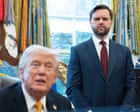
Trump seeks to delay China summit as Vance denies ‘wedge’ over Iran war
#Trump #China summit #Vance #Iran war #diplomatic delay #foreign policy #administration unity
📌 Key Takeaways
- Trump administration seeks to postpone planned summit with China
- Vice President Vance denies internal divisions over Iran policy
- Timing of China summit linked to ongoing Iran conflict concerns
- Administration aims to present unified front on foreign policy
📖 Full Retelling
🏷️ Themes
Diplomacy, Foreign Policy
📚 Related People & Topics
List of wars involving Iran
This is a list of wars involving the Islamic Republic of Iran and its predecessor states. It is an unfinished historical overview.

Donald Trump
President of the United States (2017–2021; since 2025)
Donald John Trump (born June 14, 1946) is an American politician, media personality, and businessman who is the 47th president of the United States. A member of the Republican Party, he served as the 45th president from 2017 to 2021. Born into a wealthy New York City family, Trump graduated from the...
Entity Intersection Graph
Connections for List of wars involving Iran:
Mentioned Entities
Deep Analysis
Why It Matters
This news matters because it reveals potential shifts in U.S. foreign policy under the Trump administration, particularly regarding relations with China and Iran. It affects international diplomacy, global trade, and regional security dynamics in the Middle East and Asia. The delay in the China summit could impact economic negotiations and geopolitical alliances, while the denial of a 'wedge' over Iran suggests internal administration unity or strategic messaging on military conflicts.
Context & Background
- The U.S.-China relationship has been marked by trade tensions, technology competition, and geopolitical rivalry in recent years.
- Iran has been a focal point of U.S. foreign policy, especially after the 2015 nuclear deal (JCPOA) and subsequent tensions in the Middle East.
- Previous administrations have used summits with China to address issues like trade imbalances, human rights, and regional security.
- Vance's role in the administration often involves defense and foreign policy coordination, making his statements on Iran significant.
What Happens Next
Upcoming developments may include rescheduling of the China summit, further clarification on U.S. policy toward Iran, and potential diplomatic maneuvers by China or Iran in response. Watch for announcements from the White House or State Department in the coming weeks, as well as reactions from international partners and adversaries.
Frequently Asked Questions
Delays could stem from strategic timing, unresolved negotiation points, or domestic political considerations. It may allow the administration to leverage other issues or await favorable conditions for diplomacy.
It likely implies divisions or disagreements within the administration regarding military action or policy toward Iran. Vance's denial suggests an effort to present a unified stance to avoid signaling internal conflict.
Delays in U.S.-China talks could create uncertainty for trade and investment, potentially impacting stock markets and currency valuations. Clarity on Iran policy may influence oil prices and regional stability.
Vance is likely a key figure in the administration, such as a defense or foreign policy official, whose statements carry weight in shaping perceptions of U.S. strategy and internal cohesion.