
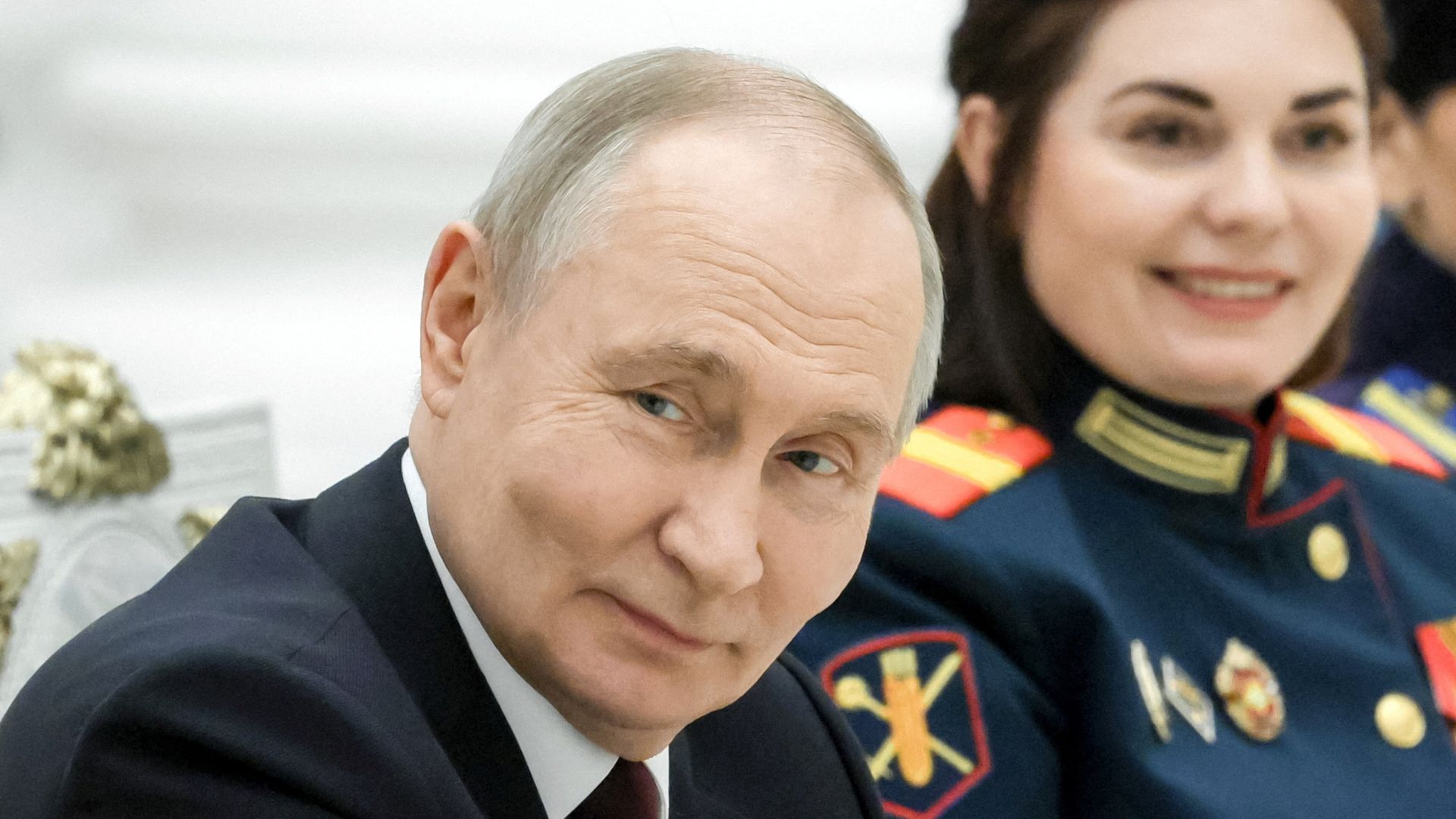
Trump's U-turn on Russian oil sanctions is a major coup for Putin
#Trump #Russian oil #sanctions #Putin #U-turn #geopolitics #energy markets
📌 Key Takeaways
- Trump reversed his stance on Russian oil sanctions, benefiting Putin.
- The policy shift is seen as a significant victory for Russia.
- The move may impact global energy markets and geopolitical relations.
- The decision reflects changing dynamics in U.S.-Russia relations.
🏷️ Themes
Geopolitics, Energy Policy
📚 Related People & Topics

Petroleum industry in Russia
One of the largest in the world
The petroleum or oil industry in Russia is one of the largest in the world. Russia has the largest reserves and was the largest exporter of natural gas. It has the sixth largest oil reserves, and is one of the largest producers of oil.

Vladimir Putin
President of Russia (2000–2008; since 2012)
Vladimir Vladimirovich Putin (born 7 October 1952) is a Russian politician and former intelligence officer who has served as President of Russia since 2012, having previously served from 2000 to 2008. Putin also served as Prime Minister of Russia from 1999 to 2000 and again from 2008 to 2012. He has...

Donald Trump
President of the United States (2017–2021; since 2025)
Donald John Trump (born June 14, 1946) is an American politician, media personality, and businessman who is the 47th president of the United States. A member of the Republican Party, he served as the 45th president from 2017 to 2021. Born into a wealthy New York City family, Trump graduated from the...
Entity Intersection Graph
Connections for Petroleum industry in Russia:
Mentioned Entities
Deep Analysis
Why It Matters
This development matters because it signals a significant shift in U.S. foreign policy toward Russia, potentially weakening Western unity on sanctions that were imposed after Russia's invasion of Ukraine. It affects global energy markets, European allies who depend on coordinated sanctions, and Ukraine's military and economic resilience. The reversal could embolden Putin by reducing economic pressure on Russia while creating divisions among NATO members over security and energy strategies.
Context & Background
- The U.S. and EU imposed sweeping sanctions on Russian oil exports after Russia's full-scale invasion of Ukraine in February 2022, aiming to cripple Russia's war funding.
- Russia is one of the world's top oil producers, and sanctions targeted its crude oil and refined products through price caps and import bans.
- Previous U.S. administrations, including Trump's first term, had varied approaches to Russia—from sanctions over election interference to diplomatic outreach.
- Europe has heavily relied on Russian energy, and sanctions forced a costly shift to alternative suppliers, impacting global oil prices and inflation.
- Ukraine's survival has depended on Western military and economic aid, with sanctions being a key non-military tool to pressure Russia.
What Happens Next
If Trump implements this policy change after taking office, expect a phased easing of sanctions by late 2024 or early 2025, leading to increased Russian oil flows to global markets. This could lower oil prices but trigger diplomatic friction with the EU, which may maintain its own sanctions. Watch for Congressional pushback, potential legal challenges, and shifts in Ukraine aid debates as the U.S.-Russia dynamic evolves.
Frequently Asked Questions
It would boost Russia's oil revenue, strengthening its economy and ability to fund its war in Ukraine. This could prolong the conflict and reduce Ukraine's leverage in negotiations.
Trump has historically favored diplomatic engagement with Putin and prioritizes U.S. economic interests, such as lower oil prices. He may view sanctions as ineffective or too costly for Americans.
European allies likely will protest, as it undermines their security and energy transition efforts. Some may decouple from U.S. policy, but divisions within the EU could emerge over maintaining unified sanctions.
Prices could drop due to increased supply from Russia, easing inflation but hurting alternative producers. However, market volatility may rise over geopolitical uncertainty and shipping disruptions.
Yes, Congress has bipartisan support for Ukraine and could pass legislation to uphold sanctions, but a President Trump might veto it, requiring a supermajority to override—a high political hurdle.