
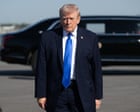
Trump’s ‘very good’ talks with Iran buy him time with oil and energy markets
#Trump #Iran #oil markets #energy markets #diplomacy #geopolitical tension #market stability
📌 Key Takeaways
- President Trump described talks with Iran as 'very good', easing immediate tensions.
- The positive dialogue provides temporary relief to global oil and energy markets.
- This development buys Trump additional time to navigate diplomatic and economic strategies.
- Market stability is temporarily secured amid ongoing geopolitical uncertainties with Iran.
📖 Full Retelling
🏷️ Themes
Geopolitics, Energy Markets
📚 Related People & Topics

Iran
Country in West Asia
# Iran **Iran**, officially the **Islamic Republic of Iran** and historically known as **Persia**, is a sovereign country situated in West Asia. It is a major regional power, ranking as the 17th-largest country in the world by both land area and population. Combining a rich historical legacy with a...

Donald Trump
President of the United States (2017–2021; since 2025)
Donald John Trump (born June 14, 1946) is an American politician, media personality, and businessman who is the 47th president of the United States. A member of the Republican Party, he served as the 45th president from 2017 to 2021. Born into a wealthy New York City family, Trump graduated from the...
Entity Intersection Graph
Connections for Iran:
Mentioned Entities
Deep Analysis
Why It Matters
This news is important because it suggests a potential de-escalation in U.S.-Iran tensions, which could stabilize global oil markets and reduce the risk of supply disruptions. It affects energy traders, consumers facing fuel prices, and geopolitical stakeholders in the Middle East. For President Trump, it provides political breathing room by easing pressure from volatile energy costs ahead of elections.
Context & Background
- The U.S. and Iran have been in a tense standoff since Trump withdrew from the 2015 nuclear deal in 2018 and reimposed sanctions.
- Iran has gradually reduced its compliance with the nuclear accord, increasing uranium enrichment and regional provocations.
- Previous incidents, like the 2019 attacks on Saudi oil facilities and the 2020 killing of Iranian General Qasem Soleimani, spiked oil prices and raised war fears.
- The U.S. has aimed for a 'maximum pressure' campaign to curb Iran's nuclear and regional ambitions, impacting global oil supply.
What Happens Next
If talks progress, we may see temporary oil price stabilization and possible informal agreements on nuclear compliance. However, without a formal deal, tensions could resurge, especially around key dates like the U.S. election or upcoming IAEA reports. Market volatility may persist depending on diplomatic signals or military incidents.
Frequently Asked Questions
It likely refers to indirect or backchannel communications that reduce immediate conflict risks, but not necessarily a breakthrough in formal negotiations. Such talks help manage crises without committing to policy changes.
Reduced tensions typically lower the 'risk premium' in oil prices, leading to cheaper crude. Stable supply from Iran, even if under sanctions, eases market fears of shortages.
With elections approaching, stable energy markets benefit his economic record and reduce voter concern over gas prices. It also delays hard decisions on military action or sanctions relief.
Unlikely soon, as both sides have entrenched positions. However, it might pave the way for incremental steps, like temporary freezes on nuclear activities or humanitarian exchanges.