
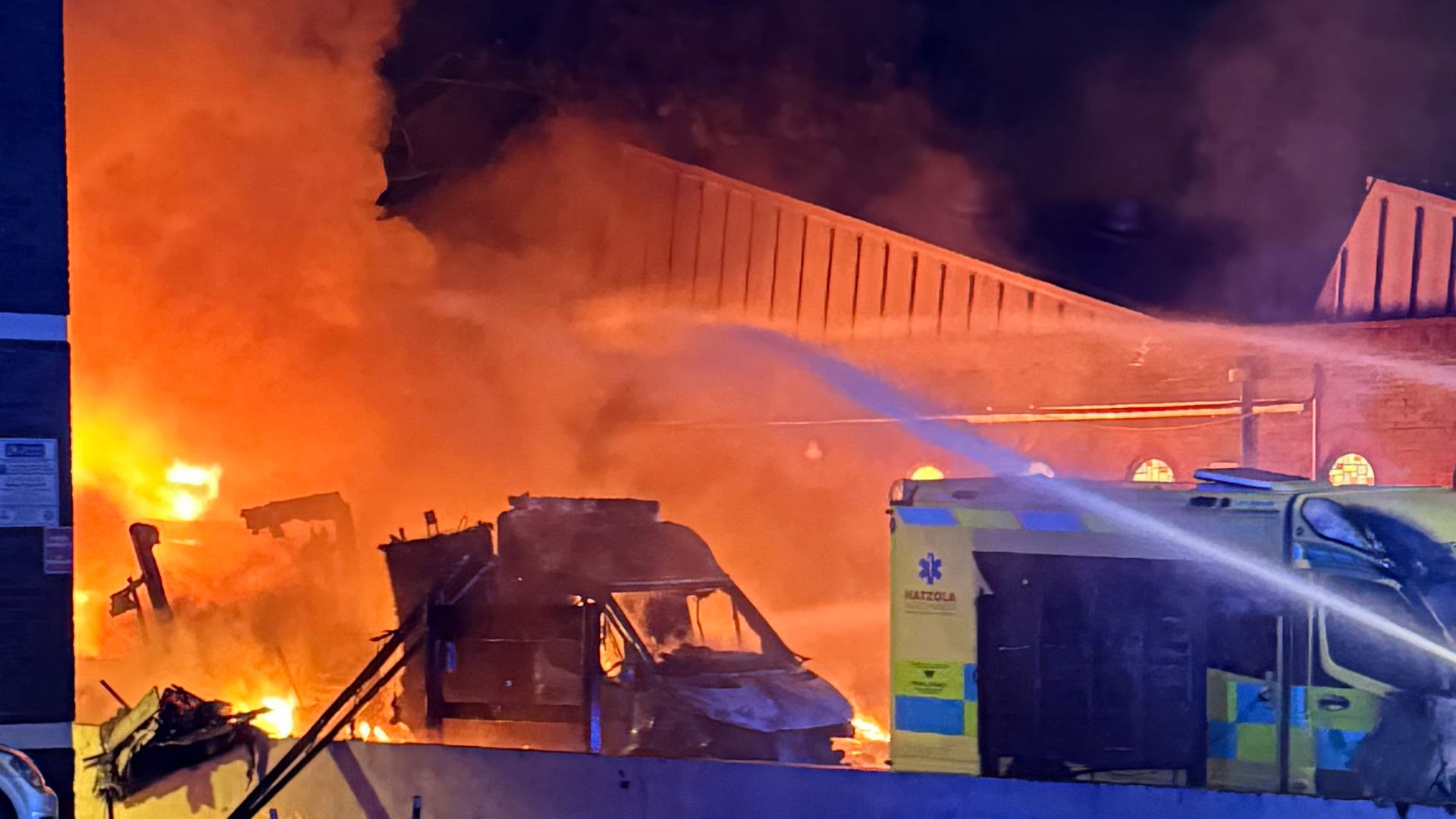
Two British men arrested by counter terror police over ambulances arson attack
📖 Full Retelling
📚 Related People & Topics
Entity Intersection Graph
Connections for British:
Mentioned Entities
Deep Analysis
Why It Matters
This incident matters because it represents a direct attack on emergency medical services, which are critical infrastructure for public safety and health. It affects paramedics, patients needing urgent care, and communities that rely on ambulance services during emergencies. The involvement of counter-terror police suggests authorities suspect ideological or political motives rather than random vandalism, potentially indicating broader security threats. Such attacks undermine public trust in emergency response systems and could delay life-saving medical interventions.
Context & Background
- Ambulance attacks have occurred previously in the UK, including during protests and civil disturbances
- Counter-terror police in the UK typically investigate incidents with suspected links to extremism, whether religious, political, or ideological
- Emergency service workers in the UK have legal protections under the Assaults on Emergency Workers (Offences) Act 2018
- The UK has experienced several terrorist incidents in recent years, including vehicle and knife attacks in public spaces
- Arson against emergency vehicles has been used as a tactic by various extremist groups internationally to disrupt services and create fear
What Happens Next
The two arrested men will likely be held for questioning under terrorism legislation, which allows for extended detention periods. Police will conduct forensic examinations of the damaged ambulances and review CCTV and digital evidence. Depending on evidence gathered, the Crown Prosecution Service will decide whether to charge the suspects with terrorism offenses, which carry severe penalties. Additional security measures for ambulance services may be implemented temporarily.
Frequently Asked Questions
Counter-terror police investigate when there are indications the attack might be ideologically motivated rather than ordinary criminal damage. They look for connections to extremist groups, political causes, or patterns suggesting terrorism objectives like disrupting critical infrastructure or intimidating the public.
If convicted under terrorism legislation, they could face life imprisonment for causing explosions or endangering life. Even under regular criminal law, arson attacks on emergency vehicles typically result in substantial prison sentences due to the grave risk to public safety and emergency responders.
While not extremely common, attacks on emergency vehicles do occur, particularly during civil disturbances or protests. However, most involve verbal abuse or minor assaults rather than premeditated arson. Deliberate destruction of multiple ambulances is relatively rare and treated with high severity.
Yes, temporarily. Destroyed ambulances must be replaced or repaired, reducing available vehicles. Additional security checks might also slow operations initially. However, ambulance services have contingency plans to maintain coverage through mutual aid arrangements with neighboring services.
Anyone with information should contact police immediately via the anti-terrorism hotline or local police. The public is encouraged to report suspicious behavior around emergency vehicles or infrastructure through established security channels to help prevent future attacks.