
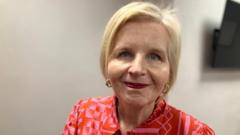
U-turn by Streeting sees senior midwife Ockenden appointed to chair maternity inquiry
#maternity inquiry #Donna Ockenden #Wes Streeting #midwife #U-turn #healthcare leadership #public inquiry
📌 Key Takeaways
- Wes Streeting reversed a previous decision on the maternity inquiry leadership.
- Senior midwife Donna Ockenden has been appointed as the new chair of the inquiry.
- The inquiry focuses on maternity services, likely addressing safety or care issues.
- The U-turn suggests political or public pressure influenced the appointment.
🏷️ Themes
Healthcare, Government Policy
📚 Related People & Topics

Donna Ockenden
British midwife and activist
Donna Ockenden , is a British midwife and community activist. She was commissioned in 2016 by the then UK Secretary for Health and Social Care, Jeremy Hunt, to chair an independent review into maternity services at Shrewsbury and Telford Hospital NHS Trust. Initial findings of the Ockenden Review w...

Wes Streeting
British politician (born 1983)
Wesley Paul William Streeting (; born 21 January 1983) is a British politician who has served as Secretary of State for Health and Social Care since 2024. A member of the Labour Party, he has been Member of Parliament (MP) for Ilford North since 2015. Brought up in Stepney, Streeting attended Westmi...
Entity Intersection Graph
No entity connections available yet for this article.
Mentioned Entities
Deep Analysis
Why It Matters
This appointment is crucial because it places a respected clinical expert with direct experience in maternity safety investigations at the helm of a critical inquiry. It affects pregnant individuals, families who have experienced maternity care failures, healthcare professionals, and policymakers who rely on the inquiry's findings to implement systemic improvements. The U-turn demonstrates responsiveness to concerns about appropriate leadership for such sensitive investigations, potentially restoring public confidence in the process.
Context & Background
- Donna Ockenden previously chaired the landmark independent review into maternity services at Shrewsbury and Telford Hospital NHS Trust, which uncovered significant failures affecting hundreds of families.
- The original appointment decision that prompted the U-turn likely involved controversy about whether a non-clinical or differently qualified chair was appropriate for this specific maternity inquiry.
- Maternity safety has been a persistent concern in the UK healthcare system, with several high-profile inquiries revealing systemic issues across multiple hospital trusts in recent years.
- Wes Streeting, as Shadow Health Secretary (or relevant ministerial position depending on timing), would be under pressure to ensure such inquiries have credible leadership given their impact on public trust and policy direction.
What Happens Next
Ockenden will begin establishing the inquiry's terms of reference, methodology, and timeline, with initial evidence gathering likely within weeks. Public calls for testimony from affected families and healthcare staff will follow, with interim findings potentially released within 6-12 months. The inquiry's final recommendations will influence national maternity safety policy and potentially lead to regulatory changes for NHS trusts.
Frequently Asked Questions
Donna Ockenden is a senior midwife who previously led the major Shrewsbury and Telford maternity inquiry, making her uniquely qualified to investigate systemic failures. Her clinical expertise and investigative experience lend immediate credibility to this new inquiry, which is crucial for gaining trust from affected families and healthcare professionals.
The reversal suggests political sensitivity to expert opinion and public concern about who leads critical healthcare investigations. It indicates that authorities recognized the importance of having a chair with direct clinical and investigative experience in maternity care, potentially avoiding credibility issues that could have undermined the inquiry's findings.
While similar in focus on maternity safety, this inquiry will examine different hospital trusts or potentially broader systemic issues across regions. The specific terms of reference will determine whether it investigates particular incidents, organizational cultures, or wider policy failures, building on but not duplicating her previous work.
Healthcare providers in the investigated areas will likely implement heightened scrutiny of practices while the inquiry proceeds. Staff may feel increased pressure but also potentially more support for raising concerns, as such inquiries often create environments where systemic issues can be safely reported and addressed.