
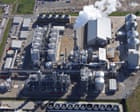
UK CO2 plant to reopen amid fears Iran war could lead to shortage
#CO2 #UK #Iran #shortage #supply chain #reopening #food industry
📌 Key Takeaways
- UK CO2 plant reopening to address potential shortages
- Fears of supply disruption due to conflict in Iran
- CO2 critical for food and beverage industries
- Reopening aims to stabilize domestic supply chain
📖 Full Retelling
🏷️ Themes
Supply Chain, Geopolitical Risk
📚 Related People & Topics

Iran
Country in West Asia
# Iran **Iran**, officially the **Islamic Republic of Iran** and historically known as **Persia**, is a sovereign country situated in West Asia. It is a major regional power, ranking as the 17th-largest country in the world by both land area and population. Combining a rich historical legacy with a...

United Kingdom
Country in northwestern Europe
The United Kingdom of Great Britain and Northern Ireland, commonly known as the United Kingdom (UK) or Britain, is a country in northwestern Europe, off the coast of the continental mainland. It comprises England, Scotland, Wales and Northern Ireland, with a population of over 69 million in 2024. Th...
Entity Intersection Graph
Connections for Iran:
Mentioned Entities
Deep Analysis
Why It Matters
This news matters because CO2 is essential for food preservation, medical applications, and industrial processes across the UK. A shortage could disrupt food supply chains, affect healthcare procedures requiring dry ice, and impact beverage production. The potential conflict in Iran threatens global CO2 supplies since Iran is a major producer, making domestic production critical for national security and economic stability.
Context & Background
- CO2 shortages previously occurred in 2018 when several UK fertilizer plants closed temporarily, affecting food and drink industries.
- Iran is one of the world's largest producers of CO2 as a byproduct of its fertilizer and petrochemical industries.
- The UK imports significant amounts of CO2, making it vulnerable to international supply chain disruptions.
- CO2 is used in food packaging, carbonated drinks, slaughterhouse operations, and medical applications like organ transportation.
- Geopolitical tensions in the Middle East have historically impacted global energy and chemical markets.
What Happens Next
The UK plant will likely resume operations within weeks to bolster domestic supply. Government and industry will monitor Iran tensions closely, potentially triggering contingency plans if conflict escalates. Prices for CO2-dependent products may rise if supply constraints persist, leading to potential stockpiling by manufacturers.
Frequently Asked Questions
Iran is a major global producer of CO2 from its fertilizer industry. Conflict could disrupt production or exports, reducing worldwide availability and driving up prices for importing countries like the UK.
Food and beverage sectors would be hit hardest, as CO2 is used in packaging, carbonation, and slaughtering. Healthcare could also suffer due to reduced dry ice supplies for medical transport and procedures.
The UK has limited storage capacity for CO2, so shortages could impact industries within days. Previous crises in 2018 led to immediate disruptions in food supply chains and pub closures.
Some applications have limited alternatives, like nitrogen for packaging, but CO2 is often irreplaceable for carbonation and certain medical uses. Switching processes can be costly and time-consuming.
Yes, reduced supply typically increases production costs for food, drinks, and healthcare products, which may be passed to consumers through higher prices, especially if the shortage persists.