
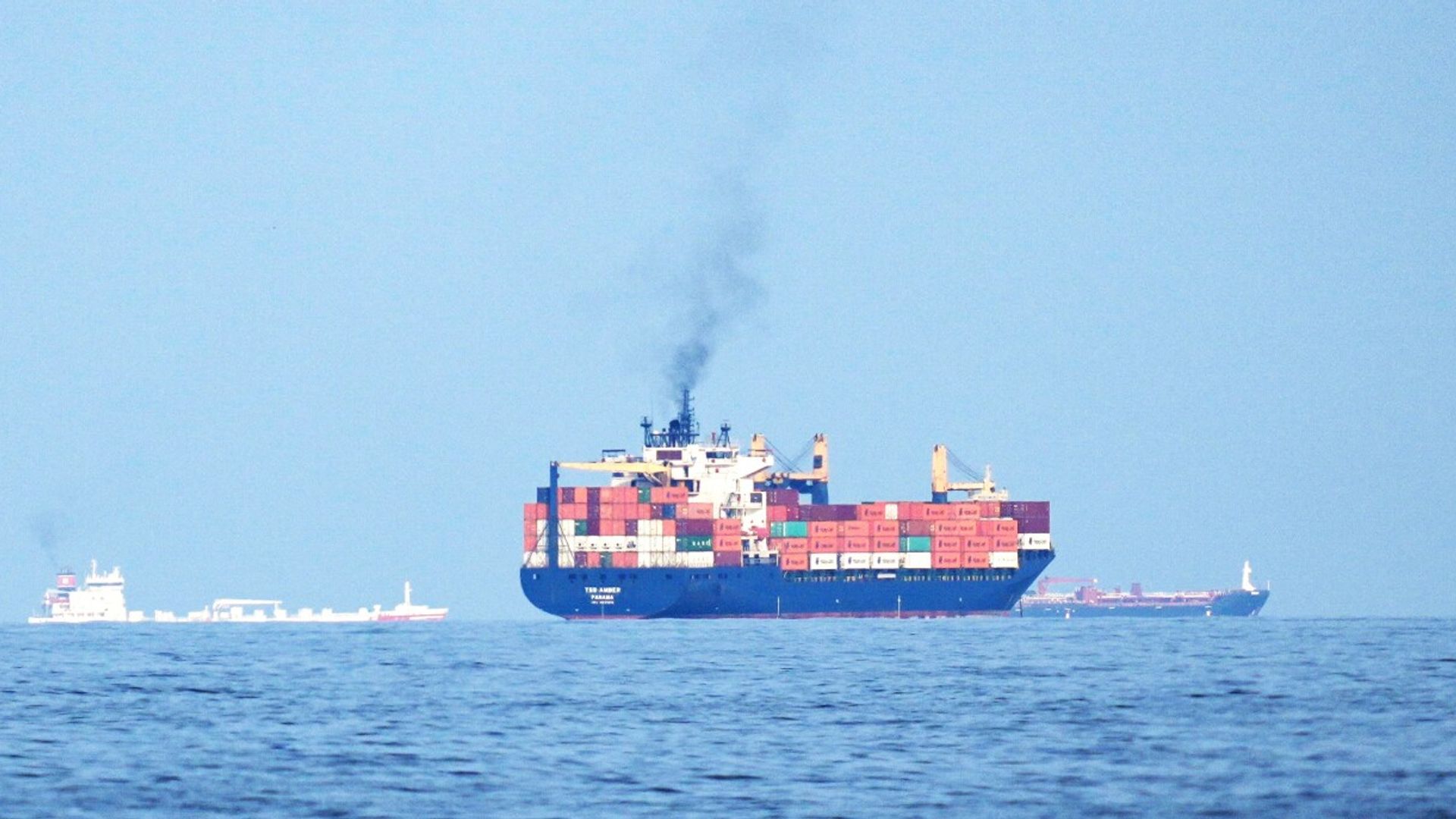
UK firms hit as Iran war delivers biggest costs rise in 44 years
📖 Full Retelling
📚 Related People & Topics

Middle East
Transcontinental geopolitical region
The Middle East is a geopolitical region encompassing the Arabian Peninsula, Egypt, Iran, Iraq, the Levant, and Turkey. The term came into widespread usage by Western European nations in the early 20th century as a replacement of the term Near East (both were in contrast to the Far East). The term ...
List of wars involving Iran
This is a list of wars involving the Islamic Republic of Iran and its predecessor states. It is an unfinished historical overview.
Entity Intersection Graph
Connections for Middle East:
Mentioned Entities
Deep Analysis
Why It Matters
This news matters because it reveals how geopolitical conflicts in distant regions directly impact domestic economies through supply chain disruptions and inflationary pressures. UK businesses face unprecedented operational challenges with the highest cost increases in nearly half a century, potentially leading to reduced competitiveness, job losses, and business closures. Consumers will ultimately bear these costs through higher prices for goods and services, while policymakers must navigate complex trade-offs between economic stability and foreign policy objectives.
Context & Background
- The UK has experienced persistent inflation challenges since the COVID-19 pandemic, with supply chain disruptions and energy price volatility creating economic headwinds
- Iran has been involved in regional conflicts and proxy wars across the Middle East, particularly affecting global oil markets and shipping routes through strategic waterways
- The UK economy has struggled with productivity growth since the 2008 financial crisis, making it particularly vulnerable to external economic shocks
- Historical UK inflation peaked at over 24% in 1975 during the oil crisis, making current 44-year highs particularly concerning for economic stability
- Global supply chains have become increasingly interconnected since the 1990s, making national economies more vulnerable to disruptions in conflict zones
What Happens Next
The Bank of England will likely face increased pressure to raise interest rates further to combat inflation, potentially slowing economic growth. UK businesses may accelerate cost-cutting measures, including workforce reductions and operational restructuring. Government may introduce targeted support measures for hardest-hit sectors while facing calls to review foreign policy approaches to Middle Eastern conflicts. International diplomatic efforts will intensify to contain regional conflicts and stabilize global energy markets.
Frequently Asked Questions
The conflict disrupts critical shipping routes and energy supplies, increasing transportation costs and raw material prices. This creates ripple effects throughout supply chains, forcing UK businesses to pay more for imports while facing higher operational expenses.
Manufacturing, transportation, and energy-intensive industries face immediate impacts due to rising fuel and material costs. Retail and service sectors follow as they absorb higher wholesale prices and pass increased costs to consumers.
Current cost increases represent the most severe in 44 years, surpassing the 2008 financial crisis impacts. While different from 1970s stagflation, it combines supply shocks with existing post-pandemic inflationary pressures, creating unique policy challenges.
Businesses can diversify supply chains, increase inventory buffers, and implement efficiency measures. Many will need to renegotiate contracts, explore alternative suppliers, and potentially adjust pricing strategies to maintain viability.
Consumers will face higher prices for essentials including food, fuel, and utilities. Reduced business investment may limit wage growth, while potential interest rate increases could make borrowing more expensive for mortgages and loans.