
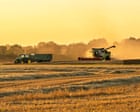
UK must stockpile food in readiness for climate shocks or war, expert warns
#UK #food stockpiling #climate shocks #war preparedness #supply chain #expert warning #strategic reserves
📌 Key Takeaways
- UK food security is at risk from climate change and geopolitical conflicts.
- An expert urges the government to create strategic food reserves.
- Current supply chains are vulnerable to disruptions from extreme weather or war.
- Proactive stockpiling could prevent shortages and price spikes.
📖 Full Retelling
🏷️ Themes
Food Security, Climate Resilience
📚 Related People & Topics

United Kingdom
Country in northwestern Europe
The United Kingdom of Great Britain and Northern Ireland, commonly known as the United Kingdom (UK) or Britain, is a country in northwestern Europe, off the coast of the continental mainland. It comprises England, Scotland, Wales and Northern Ireland, with a population of over 69 million in 2024. Th...
Entity Intersection Graph
Connections for United Kingdom:
Mentioned Entities
Deep Analysis
Why It Matters
This warning highlights the UK's vulnerability to global food supply disruptions, which could lead to shortages, price spikes, and social instability. It affects all UK residents, particularly low-income households who spend a larger proportion of their income on food. The government's preparedness for such crises directly impacts national security and public welfare, making this a critical policy issue with far-reaching consequences.
Context & Background
- The UK imports about 46% of its food, making it heavily reliant on global supply chains that are vulnerable to disruption.
- Climate change is increasing the frequency of extreme weather events that can damage crops and disrupt transportation networks worldwide.
- Recent events like the COVID-19 pandemic and Russia's invasion of Ukraine have exposed weaknesses in global food systems and caused price volatility.
- The UK previously maintained strategic food reserves during World War II but has since moved to 'just-in-time' supply systems that minimize stockpiles.
What Happens Next
The UK government will likely face pressure to develop a formal food security strategy, potentially including legislation mandating minimum stockpile levels. Expect parliamentary debates and committee hearings on this issue within the next 6-12 months. Food industry stakeholders will be consulted on practical implementation, while emergency planners may begin developing distribution protocols for crisis scenarios.
Frequently Asked Questions
Stockpiles would likely focus on non-perishable staples with long shelf lives, such as grains, canned goods, and dried proteins. These provide maximum nutritional value per storage volume and can sustain populations during extended disruptions to fresh food supplies.
Current 'just-in-time' systems maintain minimal inventory to reduce costs, while strategic stockpiling would involve government-mandated reserves beyond commercial needs. This would require dedicated storage facilities, rotation systems, and potentially new public-private partnerships for management.
Costs would likely be shared between government funding and industry contributions, possibly through new regulations or taxes. The financial burden would ultimately be distributed across taxpayers, consumers, and food businesses through various mechanisms.
Climate change threatens UK food imports through increased droughts in growing regions, more frequent extreme weather disrupting shipping, and crop failures in supplier countries. Even if UK production remains stable, global interconnectedness means foreign disruptions quickly affect domestic availability.