
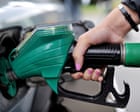
UK petrol retailers claim ‘inflammatory language’ of ministers led to staff abuse
#petrol retailers #inflammatory language #staff abuse #UK government #fuel supply #public anger #worker safety
📌 Key Takeaways
- UK petrol retailers accuse government ministers of using inflammatory language that incited public anger.
- This rhetoric allegedly led to increased abuse and threats directed at petrol station staff.
- The situation highlights tensions between the fuel industry and government over supply issues and pricing.
- Retailers are calling for more responsible communication from officials to protect workers.
📖 Full Retelling
🏷️ Themes
Fuel Industry, Government Relations
📚 Related People & Topics
Government of the United Kingdom
His Majesty's Government, abbreviated to HM Government or otherwise the UK Government, is the central executive authority of the United Kingdom of Great Britain and Northern Ireland. The government is led by the prime minister (Sir Keir Starmer since 5 July 2024) who advises the monarch on the appoi...
Entity Intersection Graph
Connections for Government of the United Kingdom:
Mentioned Entities
Deep Analysis
Why It Matters
This news matters because it highlights how political rhetoric can directly impact frontline workers' safety and wellbeing. It affects petrol station staff who face increased abuse, retailers dealing with operational challenges, and government officials whose communication strategies require scrutiny. The situation reveals the tangible consequences of political discourse on everyday citizens and workplace environments.
Context & Background
- The UK has experienced periodic fuel supply disruptions in recent years, including a major crisis in September 2021 when panic buying emptied many stations
- Petrol retailers have previously reported increased abuse toward staff during supply chain disruptions and price spikes
- Government ministers have historically made public statements about fuel availability during crises, sometimes urging calm and sometimes acknowledging shortages
- The relationship between fuel retailers and government has been strained at times over pricing transparency and supply chain issues
What Happens Next
Petrol retailers' organizations will likely seek meetings with government officials to address communication concerns. Industry groups may develop guidelines for protecting staff during supply disruptions. The government may review its public messaging strategies during future fuel-related announcements to balance transparency with preventing public panic.
Frequently Asked Questions
Retailers claim ministers used language that suggested fuel shortages were imminent or severe, which triggered panic buying and subsequent frustration when stations ran out. This created tense situations where staff bore the brunt of customer anger over supply issues beyond their control.
While the article doesn't provide specific numbers, industry representatives suggest incidents increased significantly following government statements about fuel supplies. Multiple retail chains reported staff facing verbal abuse, threats, and aggressive behavior from frustrated customers.
UK law provides general protections against assault and threatening behavior, but specific 'shopworker protection' legislation has been debated. Many retailers have security protocols and training, but frontline fuel station staff remain vulnerable during supply crises when customer emotions run high.
The article doesn't include direct government response, but typically in such situations officials would emphasize their intention to keep public informed while expressing regret about any unintended consequences. Future statements would likely be more carefully calibrated to avoid triggering panic buying.
This tension complicates crisis communication between government and industry. Retailers may become more reluctant to share real-time supply data if they fear it will lead to ministerial statements that create operational difficulties and safety concerns for their staff.