UK and EU analyzing Supreme Court ruling against Trump tariffs
UK expects privileged trading position with US to continue
Businesses may be eligible for refunds but process remains unclear
Experts warn potential for new tariffs on computer chips and agriculture
Stock markets reacted positively with FTSE 100 hitting new high
📖 Full Retelling
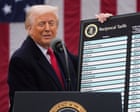
The UK government announced it is working with the United States to analyze the impact of the US Supreme Court's ruling against Donald Trump's global tariffs, while the European Union seeks clarity on the Trump administration's next steps, with the UK expecting its privileged trading position with the US to continue despite the court decision. The UK had secured a preferential tariff deal with the US, with 10% tariffs on all imports from Britain compared to a blanket 15% rate for EU countries. The EU confirmed it was analyzing the ruling while continuing efforts to reduce the tariffs imposed on European exports, noting that 50% tariffs on steel remain in place despite the agreement reached at Trump's Scottish golf course last July. Businesses affected by the tariffs may be eligible for refunds from the US administration, though the process remains unclear, with experts warning that the White House could potentially switch to broader product-based tariffs affecting sectors like computer chips and agriculture. The aerospace industry expressed concerns about geopolitical tensions, suggesting the public rebuke might negatively impact some trade relationships, while stock markets reacted positively with the UK's FTSE 100 hitting a new intraday high and closing 0.56% higher.
🏷️ Themes
Trade Policy, International Relations, Economic Impact
Relations between countries bordering the Atlantic Ocean
Transatlantic relations refer to the historic, cultural, political, economic and social relations between countries on both side of the Atlantic Ocean. Sometimes it specifically means relationships between the Anglophone North American countries (the United States and Canada), and particular Europe...
Economic conflict using tariffs or other trade barriers
# Trade War
A **trade war** is an economic conflict typically resulting from extreme protectionism. It occurs when sovereign states implement or escalate tariffs and other trade barriers against one another as a component of their commercial policies. These actions are generally retaliatory, functi...
UK ‘working with US’ to analyse impact of supreme court’s ruling against tariffs Government ‘expects privileged trading position’ to go on as EU ‘seeks clarity’ over Trump administration’s next steps Britain and the EU said they were assessing the implications of the US supreme court ruling against Donald Trump’s global tariffs , while business groups reacted to the court’s announcement with caution. A spokesperson for Downing Street said: “The UK government is working with the US to understand how the overturning of Donald Trump’s tariffs by the supreme court will affect the UK but expects our privileged trading position with the US to continue.” The UK was the first to strike a tariff deal with the US, with 10% tariffs on all imports from Britain, compared with a blanket 15% rate for the EU. The EU said it was analysing the ruling while continuing its drive to work towards reducing the tariffs the US imposed on European exports. The EU agreed the 15% tariff rate with the US at Trump’s Scottish golf course last July but 50% tariffs are still imposed on steel. “We remain in close contact with the US administration as we seek clarity on the steps they intend to take in response to this ruling,” it said. “Businesses on both sides of the Atlantic depend on stability and predictability in the trading relationship. We therefore continue to advocate for low tariffs and to work towards reducing them.” Companies affected by the tariffs should be able to demand refunds from the US administration, though the mechanism for doing this remains unclear. It is understood that tariffs on products such as steel will not be affected and are likely to remain in place. Some experts warned that the White House could switch to broader product-based tariffs affecting computer chips and agriculture, possibly adopting an even more draconian approach with higher tariffs. John Denton, the secretary general of the International Chambers of Commerce, said there was “fresh uncertainty” for compa...