
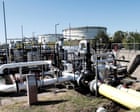
Ukraine war briefing: row between Kyiv and Hungary over pipeline carrying Russian oil deepens
#Ukraine #Hungary #pipeline #Russian oil #energy security #diplomatic dispute #war briefing
📌 Key Takeaways
- Ukraine and Hungary are in a deepening dispute over a pipeline transporting Russian oil.
- The conflict centers on energy infrastructure and geopolitical tensions in Eastern Europe.
- The pipeline's operation raises concerns about energy security and regional alliances.
- The disagreement highlights ongoing diplomatic strains between Ukraine and Hungary amid the war.
📖 Full Retelling
🏷️ Themes
Energy Conflict, Diplomatic Tensions
📚 Related People & Topics

Petroleum industry in Russia
One of the largest in the world
The petroleum or oil industry in Russia is one of the largest in the world. Russia has the largest reserves and was the largest exporter of natural gas. It has the sixth largest oil reserves, and is one of the largest producers of oil.

Ukraine
Country in Eastern Europe
# Ukraine **Ukraine** is a country located in Eastern Europe. It is the second-largest country in Europe by area, after Russia. Known for its extensive fertile plains, the nation serves as a critical global exporter of grain and is considered a middle power in international affairs. ## Geography a...

Hungary
Country in Central Europe
Hungary is a landlocked country in Central Europe. Spanning much of the Carpathian Basin, it is bordered by Slovakia to the north, Ukraine to the northeast, Romania to the east and southeast, Serbia to the south, Croatia and Slovenia to the southwest, and Austria to the west. Hungary lies within the...
Entity Intersection Graph
Connections for Petroleum industry in Russia:
Mentioned Entities
Deep Analysis
Why It Matters
This dispute matters because it threatens European energy security and reveals divisions within NATO and EU alliances. Hungary's continued reliance on Russian oil undermines Western sanctions efforts and provides Moscow with crucial revenue to fund its war. The conflict directly affects Ukraine's ability to pressure Russia economically while impacting European consumers who face potential energy disruptions. It also tests EU unity at a critical moment in the war.
Context & Background
- The Druzhba pipeline has supplied Russian oil to Europe since the 1960s, with the southern branch running through Ukraine to Hungary and other Central European countries.
- Hungary has maintained closer energy ties with Russia than most EU members, securing exemptions from EU sanctions on Russian oil imports.
- Ukraine previously threatened to cut off the pipeline in 2022 but continued transit after pressure from EU allies concerned about regional energy security.
- The pipeline dispute occurs alongside broader tensions between Ukraine and Hungary over Hungarian minority rights in western Ukraine and Hungary's obstruction of EU aid to Kyiv.
What Happens Next
EU mediators will likely intensify negotiations in coming weeks to prevent pipeline shutdown. Hungary may face increased pressure at the June EU summit to align with sanctions. If talks fail, Ukraine could implement its threat to terminate the transit agreement when it expires in 2025, potentially forcing Hungary to find alternative, costlier oil supplies.
Frequently Asked Questions
Hungary depends on Russian oil for over 60% of its needs and has secured EU exemptions citing lack of alternative supply routes. The government argues immediate cutoff would cause economic crisis and harm Hungarian citizens.
Yes, Ukraine controls the transit territory and can terminate agreements, though this would violate existing contracts. Such action would likely trigger arbitration and further strain EU-Ukraine relations.
Pipeline disruption could increase oil prices in Central Europe, particularly in Hungary, Slovakia and Czech Republic. Consumers would face higher fuel and energy costs during already difficult economic conditions.
This exposes deepening fractures between frontline states supporting Ukraine and members prioritizing national interests. It weakens collective sanctions enforcement and could encourage other countries to seek similar exemptions.